
Cycling routes along the coast, Curonian Spit and Nemunas
Lithuania is well suited to cycling tours along the Baltic coast, through the Nemunas Delta and on quiet inland roads. The route around the Curonian Lagoon is particularly varied; Lithuania Travel describes it as a 185-kilometre loop. Which stages are right for you depends on your fitness, the terrain, the season, and how you plan for ferries, luggage and overnight stays.
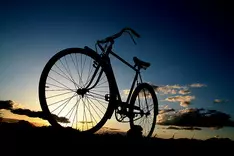 Radtouren in Litauen
Photo: Bern@t\www.flickr.com
Radtouren in Litauen
Photo: Bern@t\www.flickr.com
Quick facts
- The official Curonian Loop overview describes a 185-kilometre circuit through Klaipėda, the Nemunas Delta region and the Curonian Spit.
- According to the stage descriptions, the route alternates between asphalt, paths and gravel; conditions are not the same everywhere.
- You can plan a multi-day tour or ride individual sections as day trips.
- If you’re heading to the Curonian Spit, include the ferry, taking your bike aboard and your return journey in your plans.
- Wind, rain, daylight and seasonal restrictions affect your pace and the length of each stage.
- Local rules on paths, access and overnight stays apply in national parks and protected areas.
- Check ferry services, accommodation, bike services and current route details directly for your travel dates.
Which cycling tour is right for your trip?
First decide whether cycling will be the main focus of your trip, or whether you’d prefer to combine individual rides with days in the city, at the beach and in nature. A multi-day loop requires different preparation from short rides based at one holiday destination: luggage, accommodation, return transport and a contingency for bad weather or technical problems become more important. For a broader overview of other options, see active holidays in Lithuania.
On a self-guided tour, you set your own pace and breaks and can tailor each day’s distance to your experience. However, you’ll need to arrange accommodation, navigation and connections between stages yourself. Some services may be arranged in advance on guided or package tours; check exactly whether a bike, luggage transfer, meals, ferries and transfers are included. Labels such as “guided” or “luggage transfer” alone don’t tell you what the service actually covers.
Combine the coast, port city and Curonian Spit
Klaipėda can be a convenient starting or finishing point for a coastal tour. The port city is also a gateway to the spit; before planning, read the information about Klaipėda and ferry services to Smiltynė. Check with the operator which terminal your ferry departs from, whether bikes can be taken aboard and under what conditions, and how the return journey works. Allow extra time for queues, buying tickets and changes to departure times.
Several towns on the spit offer different starting points for walks, bike rides and overnight stays. The overview of Neringa and the towns on the Curonian Spit can help you find your way between Nida, Juodkrantė, Preila and Pervalka. If you’d like to add a beach or relaxation day, compare the location and transport connections of Palanga with your chosen route. Palanga and Neringa are not interchangeable stages: any extra travel along the coast and back needs to be included in your time and distance estimates. For more ideas on destinations and seasons, see the overview of Baltic holidays in Lithuania.
The Curonian Loop: Divide the route into stages
Lithuania Travel describes the Curonian Loop as a 185-kilometre cycling circuit linking Klaipėda, towns in the Nemunas Delta region, the delta and the Curonian Spit. The stages shown vary in length and surface. Use the official route page for its map and stage information, but don’t treat it as a substitute for checking conditions before you set off: roadworks, path conditions, ferry services and local rules can change.
Don’t divide the loop up based on distance alone. Allow for breaks, luggage, headwinds, photo stops and possible detours. A stage on paved roads may feel very different from one on gravel or forest tracks. If you’ll be riding for a long stretch without planned access to supplies, think ahead about water and food. If you need to change your route or accommodation at short notice, a flexible plan with a shorter alternative day and accessible return options can help.
Check in advance which maps or navigation data you can save for offline use, and whether your route follows the official one exactly. Follow the signs on the ground and don’t leave marked paths in protected areas. A line on a digital map does not confirm that a path is currently rideable or suitable for every bike or riding style.
More ideas inland
If you already know the coast or are planning a longer trip, you can combine cycling days with destinations inland. The Nemunas overview introduces river landscapes and possible sections of a trip; it does not promise a continuously signposted cycling route. Check individual sections, roads and accommodation options for your specific plans rather than assuming a regional overview describes a ready-made long-distance cycle route.
National parks can also add scenic variety to a tour, but protected areas are not places to take arbitrary shortcuts. Read the information on paths and access in Lithuania’s national parks beforehand and follow local guidance. If you’re planning to camp, check campsite rules and the locations of possible campsites in Lithuania. Don’t assume you can camp overnight or light a fire anywhere in nature without planning ahead.
Bikes, luggage and daily planning
Choose a bike to suit the surface, your luggage and your riding experience. A touring bike may suit asphalt and well-maintained paths; on varied terrain, tyres, brakes and a comfortable riding position are especially important. If you’re riding an e-bike, plan for its range, charger and charging points you can actually reach rather than pushing each day’s stage to the theoretical maximum range. If you’re hiring a bike, check its size and equipment, where it must be returned, what breakdown assistance is available and the conditions for taking it on ferries or public transport.
Light luggage makes multi-day tours easier. Bring a suitable lock, lights, weather-appropriate clothing, basic repair supplies and enough water and food for the sections you’ve planned. Check your tyres, brakes and lights before setting off. In strong winds, thunderstorms, wet conditions or poor visibility, it may be better to shorten or postpone a stage rather than stick to your schedule.
Choose accommodation to match your actual daily route and check whether you can store your bike securely. Campsites, hotels and guesthouses may differ in season, arrival times and available facilities. Don’t choose a place to stay based only on the distance as the crow flies: a conveniently priced option may involve extra riding on unsuitable roads. Leave room in your daily plan for breaks and changes, especially if ferries or connecting services are part of your tour.
FAQs about cycling tours in Lithuania
How long is the Curonian Loop?
Lithuania Travel describes the circuit as 185 kilometres long. The distance you actually ride depends on detours, your starting point, ferry connections and where you stay overnight. Check the map and stage information again just before your trip.
Can I ride the loop as a day trip?
For many travellers, the stated total distance is a reason to divide the route into stages. Whether a section works as a day trip depends on the surface, wind, luggage, fitness and return transport. Set a realistic distance goal and keep a shorter alternative in mind.
Do I need to plan for a ferry to the Curonian Spit?
The ferry is part of the usual travel plans for getting from Klaipėda to Smiltynė. Departure points, timetables, ticketing and rules for bikes can change; check with the operator for your travel day.
What kind of bike is suitable for Lithuania?
It depends on the planned terrain and your luggage. Before booking or setting off, check the tyres, brakes, lights, riding position and repair options. If you’re using an e-bike, make sure its range and charging arrangements suit the specific stage.
Can I cycle and camp anywhere in national parks?
No; it’s best not to make general assumptions. Local protection rules may restrict paths, access and overnight stays. Follow the signs, check the rules for each area in advance, and use designated campsites or places where overnight stays are explicitly allowed.
