
Klaipėda: Port City and Gateway to the Curonian Spit
Find accommodation
Klaipėda is Lithuania’s most important port city and the most convenient starting point for the crossing to Smiltynė. Between the Old Town, the banks of the Danė and the harbour, you’ll experience a maritime city, while across the water the Curonian Spit begins. Whether a day is enough or a longer stay is a better fit depends mainly on whether you want to explore only the city or also the coast and the Spit.
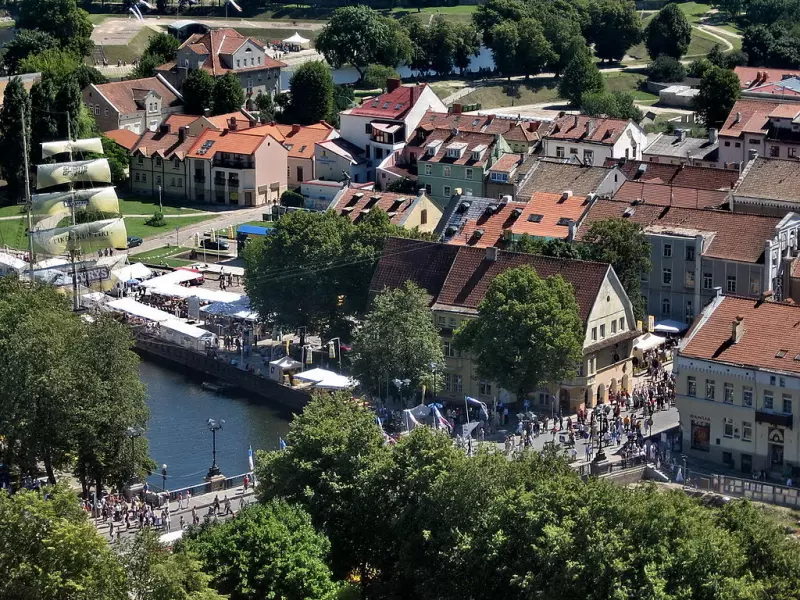 Klaipėda. Senamiestis.
Photo: Žiedas / wikipedia / gemeinfrei
Key facts
- Klaipėda’s harbour dates back to 1252, when a port was established beside the castle.
- Ferries run from Klaipėda across the Curonian Lagoon to Smiltynė.
- The Old Ferry Terminal is for pedestrians and cyclists; cars and buses can also cross from the New Ferry Terminal.
- The Old Town, Danė riverbank and harbour can all be included in a city walk.
- Smiltynė is the closest access point to the Lithuanian side of the Curonian Spit.
- For Nida or Juodkrantė, allow extra travel and return time in addition to the crossing.
- It’s best to check departures, ticket conditions and any seasonal changes with the ferry operator shortly before your trip.
Klaipėda between the Old Town, the Danė and the Baltic Sea
Klaipėda differs from Vilnius and Kaunas because of its waterfront setting and the everyday life of a port city. The centre is home to historic streets, warehouses and half-timbered houses; along the Danė, you’ll find ships and riverside paths. The city’s history reaches back to the castle and harbour, whose origins date to 1252. In older German texts, Klaipėda is often called Memel.
For your first walk, combine the Old Town with the riverbank and take time for a break by the water. If you’d like to focus on individual buildings, squares and maritime sights, find more ideas in the Klaipėda walking tour of the Old Town and harbour. This lets you choose a route that suits your interests instead of rushing to tick off as many places as possible in a short time.
How much time should you set aside for the city?
A full day is well suited to exploring the Old Town and the Danė and enjoying a relaxed view of the harbour. Don’t pack short walks too tightly into your schedule: breaks, weather and opening hours can all affect the day. If you’d also like to take the ferry to Smiltynė, decide in advance whether a walk on the Spit or a longer stay at the beach matters more. Trying to fit in both can quickly make for a rushed day.
With two or three nights, you’ll have more flexibility for a city visit and a separate day on the coast. This is especially convenient if you plan to continue on to Nida or Juodkrantė. Smiltynė is enough for a brief taste of the Spit; allow more time if you want to visit several places, take longer beach walks or visit museums. If you’re travelling with children or have limited mobility, it’s worth checking that transfers and walking distances fit the pace you have in mind for the day.
Planning for the harbour and ferry to Smiltynė
The ferry connects Klaipėda and Smiltynė, but the right departure point depends on how you’re travelling. The Old Ferry Terminal at the Northern Horn is for pedestrians and cyclists. The New Ferry Terminal on Nemuno gatvė also carries cars and buses. Before setting off, check the correct terminal address and current departure times: the two terminals are in different locations. This practical guide to the ferry harbour location, terminal selection and getting to Klaipėda will help you find your way.
If you’re taking a car across, allow for extra travel on the Spit and possible waiting times. If you’re travelling on foot or by bicycle, your trip starts differently; for longer distances, you’ll need to plan how to continue from Smiltynė. You can also consult this general overview of ferries and getting to Lithuania as part of your preparations. Schedules, fares and operating conditions may change, so the operator’s information is what matters for your specific travel date.
Discover Smiltynė and the Curonian Spit
Smiltynė lies directly opposite the city centre and is a good starting point if you’d just like to make a short trip to the seaside. Going on to Nida or Juodkrantė takes more time than the crossing alone: include the distance, connections and return trip in your plans. The guide to the Curonian Spit’s nature and visitor rules explains what to bear in mind when visiting this landscape of dunes and forests.
If you’re looking for several days at the beach, dunes and nature rather than a packed city itinerary, you can combine Klaipėda with a stay in Neringa. The settlements and beaches on the Spit aren’t all close to one another, so choose your base according to the places you want to visit. Stick to marked paths and follow local conservation rules to avoid damaging the fragile dunes. For longer stays, it’s often more relaxing to spend a night on the Spit rather than organising every outing as a round trip from Klaipėda.
Klaipėda or Palanga: which coastal town is right for you?
Klaipėda is a good fit if you want your trip to include the harbour, city history and the ferry connection. Palanga is more geared towards its promenade and beach holidays. To choose between the coastal destinations, see the comparison of Baltic Sea destinations, beaches and travel times. This helps you choose where to stay based on what matters most to you: a city and short distances in Klaipėda, a classic seaside resort in Palanga, or nature and longer coastal walks on the Spit.
You don’t have to squeeze every stop into the same trip. If you have only a few days, choose one city as your base and add a single excursion. With more time, consider an itinerary with two overnight stops. This reduces daily return journeys and gives you flexibility if wind or changeable weather makes a beach day less appealing.
Combining travel and accommodation wisely
If you’re travelling from other Lithuanian cities, it’s worth comparing current train and bus connections before booking a ferry crossing or accommodation. If you’d like the freedom to travel between Klaipėda, the coast and other places, check the terms for car hire in Lithuania. Consider whether you actually want to take the car onto the Spit or whether public transport will be enough for your stay.
Accommodation near the Old Town or harbour shortens the journey to the city sights and ferry terminal. If beaches and dunes are your main focus, a base in Smiltynė or Neringa may be a better fit. Decide based on the number of excursions you’re planning, how you’ll get around and whether you’d like to spend your evenings in the city. That way, Klaipėda can be either a destination in its own right or a convenient stop on Lithuania’s Baltic coast.
Frequently asked questions about Klaipėda
Is one day enough for Klaipėda?
A full day is a good guide for exploring the Old Town and Danė riverbank and getting a first impression of the harbour. If you also want to visit the Spit, allow more time or limit your visit to Smiltynė.
Which ferry should I take from Klaipėda to Smiltynė?
Both ferry terminals serve the route to Smiltynė. The Old Ferry Terminal is for pedestrians and cyclists; the New Ferry Terminal also carries cars and buses. Check your terminal and the current conditions before departure.
Can I visit the Curonian Spit without a car?
Yes. You can cross on foot or by bicycle and plan how to continue according to your destination. For longer distances, check connections, routes and the last return ferry in advance.
Should I stay overnight in Klaipėda or Neringa?
Klaipėda is convenient for sightseeing, the harbour and short excursions. Neringa is a better choice if you want more time for beaches, dunes and several coastal towns. If time is limited, a single base can save you travelling.
What’s the difference between Klaipėda and Palanga?
Klaipėda combines an Old Town, harbour and ferry access to the Spit. Palanga is more of a seaside resort with a promenade. Choose according to the focus of your trip, or combine both places if you have enough time.
