
Lithuania’s National Parks: Lakes, Forests, and the Baltic Coast
Lithuania’s five national parks stretch from the Baltic coast to inland lakes and forests. This overview helps you compare the Curonian Spit, Aukštaitija, Žemaitija, Dzūkija, and Trakai by landscape and activity. It also includes practical advice on trails, camping, and conservation rules.
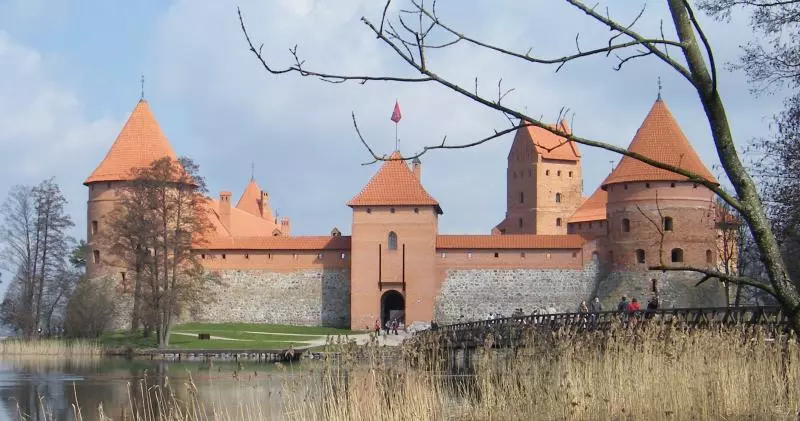 Seenlandschaft mit der Inselburg Trakai als Litauen-Motiv.
Photo: Daddy
Seenlandschaft mit der Inselburg Trakai als Litauen-Motiv.
Photo: Daddy
Quick facts about Lithuania’s national parks
- Lithuania has five national parks: Aukštaitija, Dzūkija, Žemaitija, the Curonian Spit, and Trakai Historical National Park.
- Four parks primarily protect natural and scenic areas; Trakai combines protected landscapes with cultural history.
- The Curonian Spit lies between the Baltic Sea and the Curonian Lagoon and is characterized by dunes and pine forests.
- Aukštaitija is known for its lake district; the Ladakalnis viewpoint overlooks six lakes.
- Dzūkija’s forests and river landscapes are ideal for peaceful nature experiences and hikes.
- The national parks differ significantly: general advice about activities does not necessarily apply in every area.
- In Lithuania, tents may be pitched only at campsites or in places explicitly marked with a tent symbol.
- Nature reserves within parks may have their own access and seasonal rules; check them before your visit.
Choose the right park for your travel interests
Lithuania’s five national parks are not interchangeable day-trip destinations. The Curonian Spit is a narrow coastal landscape between the Baltic Sea and the lagoon; Aukštaitija offers lakes and forests; Dzūkija is defined by forests and river valleys; Žemaitija combines the lakes and cultural landscapes of western Lithuania; and Trakai Historical National Park brings nature and history together. So start by asking yourself what you want to do there, then check how to get there, the season, and the applicable conservation rules.
The official overview from the Lithuanian State Service for Protected Areas lists the five parks. It can help you distinguish a national park from a protected area within one or a tourist route. Even within a single park, trails, lakes, forests, and strictly protected areas may be subject to different rules.
Curonian Spit: Baltic Sea, lagoon, and dunes
Curonian Spit National Park is a good choice for travelers who want to combine dunes, pine forest, and coastline. This long, narrow strip of land separates the Baltic Sea from the Curonian Lagoon; depending on where you are, you’ll find beaches, forests, and open dune landscapes. Neringa is a useful base when comparing places to visit and travel options. Before setting out on a longer walk, read the guidance on the natural environment and the visitor rules for the Curonian Spit. Information about Neringa and the port city of Klaipėda can help round out your coastal plans.
On a spit, it is especially important to follow marked paths and local guidance. Dune vegetation can be fragile, and not every section is open to visitors. Combine the park with a beach day only where access is permitted; the guide to Lithuania’s Baltic beaches offers more ideas for a longer coastal route.
Aukštaitija and Žemaitija: lakes, trails, and small towns
If you prefer lakes and wooded landscapes, consider including Aukštaitija in your itinerary. The Ladakalnis viewpoint is a well-known stop: a short marked trail leads to a view over six surrounding lakes. It works well as a single outing, but not as a shortcut to seeing the entire region in one afternoon. Zarasai can serve as another base for exploring the lake district; plan drives and walks around where you’re staying.
Žemaitija lies in western Lithuania and offers a different mix of forests, lakes, and regional culture. If you want to compare several landscapes, first check the distances between the places you’d like to visit rather than treating every park as a quick detour. Trails, viewpoints, and opportunities for water-based activities vary from place to place.
Dzūkija: forests and river valleys in the south
Dzūkija National Park is well suited to a quieter route through forests and river landscapes. The region is ideal for hiking and nature watching; habitats and seasonal conditions may vary in certain valleys and protected areas. Park signs and guidance from the park administration take precedence over general recommendations. Druskininkai can complement a longer stay in southern Lithuania as a town to visit, but it does not replace checking which park entrance or trail fits your day’s route.
Trakai: experience nature and history together
Trakai Historical National Park combines a lake landscape with a striking historical and cultural landmark. The island castle is the best-known site for many visitors, but the surrounding area is also worth exploring if you plan more than a quick photo stop. The Trakai travel information can help you prepare for a visit. Trakai can be combined with a stay in Vilnius, but if you plan to visit several interiors, allow time for Trakai as a separate stop.
Plan hiking, paddling, and overnight stays responsibly
Hiking and cycling are suitable options depending on the park and designated route. Water activities may be possible on some lakes and rivers, but check whether the specific waterway and access point are intended for them. The guides to hiking in Lithuania and canoeing and kayaking can help you choose suitable routes.
Camping is subject to clear restrictions: Lithuania’s official travel portal lists campsites and places explicitly marked with a tent symbol as permitted locations for pitching a tent. It also notes that nature reserves and protected areas within national and regional parks may have special access rules. Don’t rely on a general rule of thumb when it comes to parking, fires, collecting natural materials, or leaving marked trails. Read local signs and check the administration’s current guidance for protected areas.
Set realistic expectations for travel times and routes
Summer days are long and coastal towns are busier; in spring and autumn, weather and daylight hours can affect your choice of trails. In winter, some facilities and routes may be restricted or closed seasonally. For a trip lasting several days, it’s worth grouping nearby destinations together, such as the Curonian Spit and Klaipėda, or Trakai and Vilnius. Aukštaitija and Dzūkija are in other parts of the country, so allow more time for travel.
Allow time not only for the drive to the park, but also for getting oriented and returning. If you’re taking a guided tour, follow the operator’s information; for independent visits, current trail and protected-area guidance takes precedence. This leaves room for breaks and helps you avoid searching for accommodation or an open access point at dusk.
Frequently asked questions about national parks in Lithuania
How many national parks are there in Lithuania?
The State Service for Protected Areas lists five: Aukštaitija, Dzūkija, Žemaitija, the Curonian Spit, and Trakai Historical National Park.
Which park is best for a stay on the Baltic coast?
The Curonian Spit is the national park on the Baltic coast. You can combine it with Klaipėda, Neringa, and a visit to the lagoon or beach, as long as the relevant access points are open.
Where can I find lakes and viewpoints?
Aukštaitija is known for its lakes. The Ladakalnis viewpoint is accessible via a marked trail and offers a view of six lakes.
Can I camp anywhere in a national park?
No. The official travel portal lists campsites and places marked with a tent symbol. Additional restrictions apply in nature protection areas and reserves.
Are all trails open year-round?
No. The season, weather, trail conditions, and conservation rules may restrict access. Check the guidance for the specific park and trail before setting out.
Can I visit several parks on a short trip?
Yes, if you allow realistic travel times. For a short stay, nearby destinations usually make more sense than combining parks in different parts of the country.
