
Active Holidays in Lithuania: Cycling, Hiking and Water Sports
An active holiday in Lithuania can combine cycling, hiking, water sports or seasonal activities. Which options are right for you depends on when you travel, the region, your fitness level and how you get there. By choosing realistic distances and checking conditions in advance, you can plan active days without cramming too many activities into a fixed schedule.
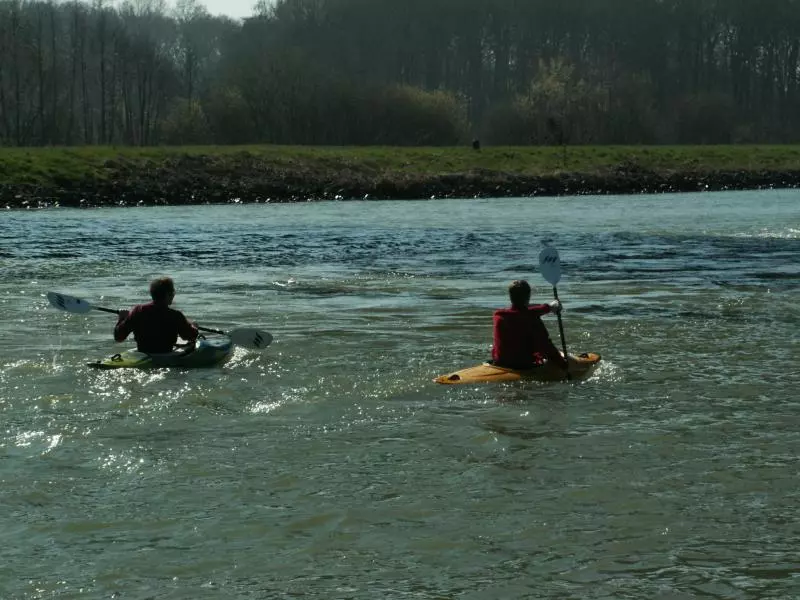 Sporturlaub Litauen
Photo: RRinnau
Sporturlaub Litauen
Photo: RRinnau
Key facts
- Choose activities based on your fitness, experience and available time rather than trying to fit in the longest possible wish list.
- Lithuania’s nature trails pass through forests, dunes and wetlands, among other landscapes; access and rules vary from place to place.
- Cycling routes along the coast and inland are different kinds of trips, each with its own logistics.
- For paddling, sailing or other water activities, the route, provider and water conditions must all be a good match.
- Opening hours, equipment rental, transfers, events and seasonal activities may change.
- Protected areas have their own rules on trails, overnight stays, fires and access.
- In winter, outdoor activities depend on the weather, snow conditions and local facilities.
- Allow for rest days, shorter alternatives and a weather-independent backup option.
Choosing the right activity and region
Start by thinking about what you actually want to do on holiday: be active every day, take occasional excursions or try a different sport each day. Consider how far you normally walk or cycle, and allow for breaks, travel to the starting point and the return journey. A route that looks manageable on a map can prove more challenging because of the terrain, weather or lack of return transport. If you’re travelling with children or a mixed-ability group, plan routes that can be shortened.
Forests, the coast, lakes, river valleys and cities offer different starting points. Choose a region first, then compare individual trails or activities. For a blend of culture and exercise, Trakai could be one stop; a day in a national park, on the other hand, requires a separate journey and careful attention to local rules. Check which trails and facilities will be accessible on your planned dates.
Cycling: plan for the route, traffic and return journey
When planning a cycling holiday, distance and elevation aren’t the only things that matter. Consider the road surface, traffic, shade, water stops, places to eat and options for shortening the ride. For a circular route, you’ll need a suitable start and finish point; for a one-way ride, check whether you can take your bike on public transport or will need to arrange a transfer. If you’re renting a bike, check its size, gears, lights, lock and repair kit before setting off.
Cycling routes in Lithuania are a good starting point for planning a route in the region. A ride along the Baltic Sea requires different planning from a trip through forest or inland areas. If you’d like to include the coast, compare possible stages in Neringa. Before booking a day’s ride, make sure the distance and surface are suitable for your bike and your group.
Pack clothing suited to the weather and a basic repair kit. For longer rides, an offline map, lights and a reliable plan for getting back are useful. Follow the signs locally, and bear in mind that routes and access in dunes or protected areas may be subject to special rules.
Hiking: take care on nature trails and in protected areas
Lithuania’s hiking trails pass through a range of landscapes, including forests, wetlands and dunes. The official visitor guide Hiking trails by Lithuania Travel introduces trails in different locations and provides practical visitor information for specific destinations. Use it as a starting point, but check access, trail conditions and guidance from the relevant protected area again shortly before your trip.
For an overview to help you choose a natural area, see national parks in Lithuania. Trail length, surface and facilities vary, so a boardwalk through a bog needs different planning from a forest path or a walk on the dunes. Wear suitable footwear and stay on designated trails. Sensitive habitats or closed areas may lie beyond the marked routes.
If you’re planning several days of hiking, choose accommodation with travel times and trailheads in mind. Don’t assume there will be a public transport stop right at the start of the trail. For longer routes, ask about return transport and save maps and contact details offline.
Water sports: safety before spontaneous routes
Plan sailing, paddling and other water activities as specific, locally based experiences. Conditions on the Baltic Sea, in the Curonian Lagoon and on inland waters are not interchangeable. Ask the provider about the starting and finishing points, duration, safety equipment, experience requirements, weather policies and return transport. An option listed on a general travel website doesn’t mean it will be available on your day of travel or suitable for everyone.
For an overview of sailing areas and planning considerations, read the information on sailing holidays in Lithuania. If you prefer river scenery, the article on the Nemunas (Neman) can help you plan. For any activity, check water levels, wind, local rules and the latest advisories. Don’t set out if you can’t confidently assess the route or return journey.
Allow for winter and changeable conditions
You can stay active during the colder months, but suitable sports and equipment depend greatly on the weather and what is available locally. Don’t assume there will be snow, cross-country ski trails or equipment rental everywhere or throughout the season. Check current conditions at your planned destination and have an alternative ready in case of a thaw, ice or strong winds.
The overview of winter holidays in Lithuania can help you compare ideas for the colder months. If conditions aren’t suitable for a planned outdoor activity, a shorter walk, a city tour or a rest day may be a better choice. Take daylight hours and warm, dry clothing into account when making your plans.
Accommodation, equipment and daily pace
A campsite, rural accommodation or a hotel near a city each offers a different starting point. Check the distance to your trailhead, secure storage, food options and return transport. If you’re travelling with a tent or camper van, see the practical advice on camping in Lithuania. Don’t assume that rules on fires and wild camping are the same from one area to another.
Pack only the equipment you really need for your route, and check before you leave whether rental bikes, boats or safety equipment need to be booked. For groups, it’s a good idea to agree on a pace and breaks together. Don’t plan every hour: a flexible schedule leaves room for changing weather, longer stops and recovery between strenuous activities.
Note down the contact details for your accommodation and activity provider, as well as the cancellation or rescheduling terms. Check locally for closures and advice from the relevant authorities. This helps keep your active holiday varied without relying on outdated opening hours or unconfirmed sports activities as a fixed part of your trip.
FAQs about active holidays in Lithuania
Which activities are suitable for a first active holiday?
Start with an activity you already know, then add a few short excursions. Nature trails or a manageable cycling trip are often easier to adapt to your fitness level and the weather than several long stages.
Are there challenging hiking trails in Lithuania?
Trails vary in surface, length and terrain. Check the description of the specific route and its current accessibility rather than judging the difficulty by the region alone.
What should I check before a cycling trip?
It’s important to check the surface, traffic, daily distance, weather, repair options and return journey. If you’re renting a bike, make sure its size, lights and equipment are suitable for the route.
Can I book water sports at short notice?
That depends on the location, provider, weather and water conditions. Before adding the activity to your day’s plans, ask about availability, safety equipment, experience requirements and return transport.
How do I plan an active winter holiday?
Choose activities based on the current weather and what’s available at your destination. Confirm snow conditions, access and equipment rental directly, and have a weather-independent alternative ready.
