
Countryside Holidays in Lithuania: Nature, Accommodation and Planning
A countryside holiday in Lithuania can combine a peaceful place to stay with nature, small towns and regional excursions. What your stay is like depends largely on the location and the facilities offered by each accommodation. So before booking, compare accessibility, amenities and activities for your specific travel dates.
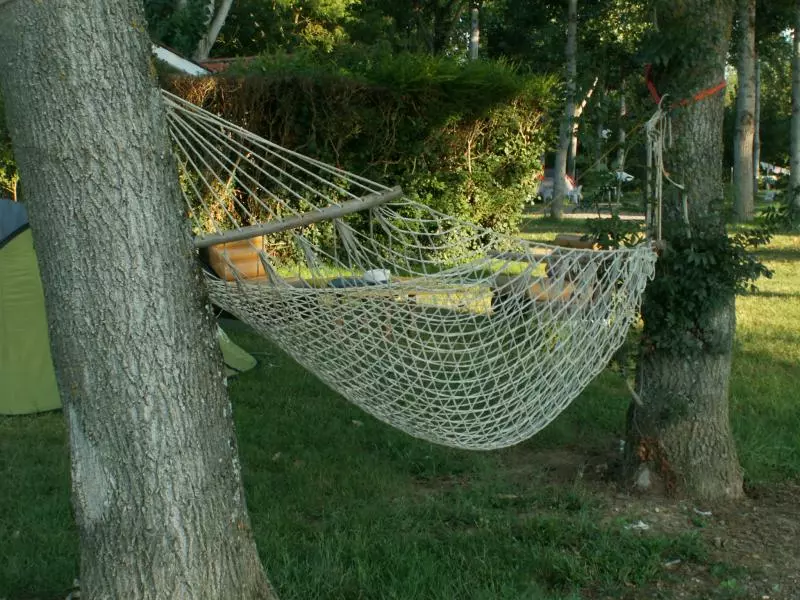 Litauens ländlicher Tourismus
Photo: RRinnau
Litauens ländlicher Tourismus
Photo: RRinnau
Quick facts
- Rural accommodation ranges from individual holiday homes and guest rooms to larger farmsteads; facilities are not the same everywhere.
- The right region depends on whether you are looking for forests, lakes, river landscapes, cultural destinations or a combination of these.
- A car can make getting there and taking day trips easier; if travelling by train or bus, check the final leg to your accommodation.
- Ask about meals, kitchen facilities, bed linen, heating, internet and possible extra charges rather than assuming they are included.
- Activities such as sauna visits, horse riding, paddling or farm visits depend on the provider and should be confirmed directly.
- Accommodation in or near a protected area may be subject to special rules about trails, fires and nature.
- Some rural tourism accommodation is rated under the Rural Tourism Association’s own comfort classification system; the rating does not replace checking whether the property meets your specific needs.
- Opening hours, prices, cancellation terms and availability can change, so confirm them before booking.
Choosing the right region for your countryside holiday
Start by thinking about how you want to spend your days. If you enjoy long walks, lakes or forest landscapes, accommodation in a rural region may be a good choice; if you plan to visit several museums or restaurants, consider how far away a town is. Staying in the countryside does not automatically mean that every destination is within walking distance. Check the location on a map and compare actual driving times for the excursions you have planned.
If nature areas are a priority, choose accommodation that works well with marked trails and local guidance. The overview of national parks in Lithuania can help you compare different landscapes. For a trip along river landscapes, the article about the Nemunas (Neman) offers further guidance. For specific hikes, bike rides or visits to protected areas, always check the current rules and access information locally.
Coastal and lake regions can also make good bases for a countryside stay. If you are looking for a mix of sea, small towns and nature, compare the regions in the overview of holidays on the Baltic coast in Lithuania. For a stay by the water with cultural destinations inland, Trakai is a possible day-trip destination. Do not assume that these examples apply to every accommodation: what matters is where your lodging is located and how you can get there.
Comparing accommodation and amenities
A directory of rural accommodation can be a useful first step in your search. The English-language Lithuanian rural tourism directory lists farmsteads and holiday accommodation. The site also explains its own comfort classification system, which uses stork symbols for participating properties. Treat this rating as a guide within the association, but still check the description, photos and amenities of the specific property.
Before making an enquiry, check how many people the accommodation can actually sleep, whether there are separate bedrooms and which shared spaces are communal. Ask whether a kitchen or meals are available, and whether towels, bed linen, a cot or step-free access are provided. If you need a quiet place to work or a reliable mobile signal, ask for those details to be confirmed too. An accommodation description may mention general options without guaranteeing that every service will be available on every date.
Also consider whether a farm stay, holiday apartment or basic campsite best suits your trip. If you would like to stay outdoors, you can find practical advice in the article about camping in Lithuania. Compare the rules, sanitary facilities, access and booking conditions there and with the providers; different types of accommodation offer different levels of comfort and amenities.
Planning excursions between villages, nature and cities
A countryside stay can be combined with occasional visits to cities if the travel time and location of your accommodation work well. Kaunas and Vilnius offer cultural attractions; plan them as day trips only if getting there and back is realistic from your base. You do not have to drive long distances every day: it is often more enjoyable to explore one region at a leisurely pace and add just a few selected excursions.
Depending on the area, local food, crafts, a farm shop or a seasonal offering can add to your stay. Ask your accommodation provider directly what is actually available on your travel dates and whether you need to book in advance. A mention of an activity on a general portal does not mean it is available at the accommodation you have chosen.
If you would like to combine a countryside stay with a spa or wellness break, compare the options in the overview of wellness holidays in Lithuania. Check whether both places fit into the same route and how much time changing accommodation will take. That way, you can turn a list of possible destinations into an itinerary that suits the time you actually have.
Preparing for your journey, the season and your booking
Before booking, ask about the route, check-in time, key collection and how to contact the property on your arrival day. If it is in a remote location, save the directions; also check whether the final stretch of the journey is suitable for your vehicle. If you do not have your own car, ask whether a transfer, a nearby stop or a taxi is available. Do not take any of these options for granted.
Get written confirmation of the total price, any cleaning fees, minimum stays, payment terms and cancellation conditions. For seasonal offers, check which rooms are heated and whether activities are only available at certain times. Ask whether pets are welcome and what rules apply to quiet hours, fire pits and waste. Keep the contact details and booking confirmation available offline too.
When planning outdoor activities, allow for the weather and daylight, and bring suitable clothing. In protected areas, stick to permitted trails, take your rubbish with you and follow the guidance of your hosts and local authorities. This keeps your stay flexible without relying on outdated opening hours, amenities or activity listings.
FAQs about countryside holidays in Lithuania
What types of accommodation are available in the countryside?
Depending on the region and provider, options may include farmsteads, holiday homes, guest rooms or basic campsites. Facilities, size and services vary, so compare the details for your specific dates.
Do I need a car for a countryside holiday?
Not always, but a car can make getting there and taking excursions much easier. If you are travelling by public transport, check the final leg to your accommodation and ask about transfer options if necessary.
What does the stork classification mean?
The Rural Tourism Association uses it to describe comfort categories for participating accommodation. Read the directory’s criteria and also check whether the specific facilities meet your personal requirements.
What should I ask before booking?
Clarify the price and extra charges, sleeping arrangements, meals, kitchen facilities, check-in, access, cancellation terms and possible activities. Ask the provider to confirm directly which date-dependent services will be available during your stay.
Can I combine a countryside holiday with city visits or wellness?
Yes, if your accommodation and destinations fit the route well. Compare travel times and allow enough time to change locations rather than trying to visit several far-flung destinations in one day.
