
Explore Vilnius: Old Town, the Gate of Dawn and Užupis
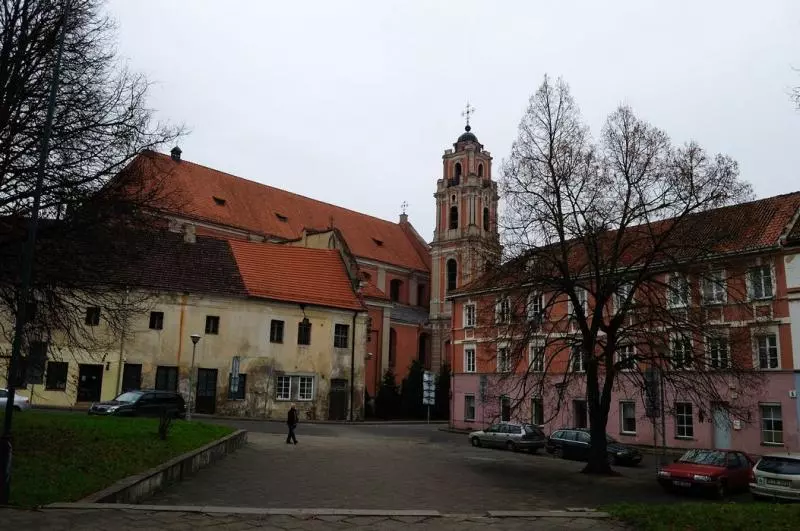 Sehenswürdigkeiten Vilnius
Photo: Dmitriy Zuev
Sehenswürdigkeiten Vilnius
Photo: Dmitriy Zuev
Key facts about Vilnius attractions
- Vilnius Historic Centre has been a UNESCO World Heritage Site since 1994.
- Its medieval street plan brings together narrow lanes, squares and courtyards with architecture from several centuries.
- Gothic, Renaissance, Baroque and Classical styles shape the protected cityscape.
- Gediminas Tower is a striking landmark and one of the remaining parts of the Upper Castle.
- The Cathedral, the University, the Bernardine complex and the Gate of Dawn are all in the historic centre.
- The Gate of Dawn houses a chapel with the image of the Mother of Mercy.
- Užupis lies across the Vilnelė River and is known as a creative artists’ district.
- Churches, museums and interiors have different visiting hours; check with each venue in advance.
The Old Town as a starting point for your first visit
Begin your walk where Vilnius is easiest to explore: in the historic centre. The UNESCO-listed area is not just a collection of individual photo spots, but an organically developed network of streets, courtyards and squares. In one day, you can connect several key landmarks; allow more time if you plan to visit churches and museums or take longer breaks. For a broader introduction to the neighbourhoods, atmosphere and trip planning, see the Vilnius overview.
Start by finding your bearings at the Cathedral and the square in front of it. From there, you can explore the University, historic churches and other Old Town streets on a continuous walk. There is no need to follow a long checklist: choose two or three interiors to visit and leave time for side streets and breaks. This keeps your visit enjoyable, even if a building is closed or an event is taking place.
Churches, the University and historic architecture
Vilnius showcases different eras in a compact area. The official tourism guide includes the Cathedral, the complex of St Anne’s and the Bernardine Church, St John’s Church and the University, as well as Gediminas Tower. These landmarks help you find your way around, but their interiors are not necessarily open at all times. Religious services and local rules take precedence in places of worship, so check visiting hours, entrances and any restrictions on the day of your visit.
The University courtyards add a distinctive architectural ensemble to an Old Town walk. Check in advance which areas are currently accessible, and don’t assume the passage will always be open. For help choosing which religious buildings to visit, see the guide to places of worship in Vilnius; details about the University’s historic buildings are covered in a separate article.
Another useful landmark is the southern city gate. The Gate of Dawn was part of the city’s former fortifications. A chapel was added there in the 16th century; according to the city’s tourism information, the revered image of the Virgin Mary dates from the early 17th century. The site remains an important place of worship. Please behave respectfully in the chapel and observe any notices about whether photography or visits are currently permitted.
Gediminas Tower and views of the city
Gediminas Tower is a reminder of the Upper Castle and one of the capital’s best-known symbols. It also helps you get your bearings in the Old Town: from the historic centre, you can see churches, rooftops and green spaces spread across the hills. Access arrangements and opening hours may vary by season; check the operator’s latest information before making the tower a fixed part of your day’s plans. The article on Gediminas and the development of Vilnius provides historical context about the ruler often associated with the city.
Užupis: a world of its own across the Vilnelė
East of the Old Town, the route crosses the Vilnelė to Užupis. The district is known for art, small galleries and installations; public artworks may change. The name “Republic of Užupis” is part of the district’s playful self-image: residents symbolically declared independence on 1 April 1997. It is not a sovereign state. Take time to explore the lanes without a rigid itinerary, and remember that residential streets are still people’s homes. For more on the atmosphere and getting around, see the article about Užupis.
Make time for museums and breaks
If you want to visit interiors and collections, choose a museum that interests you rather than trying to fit in as many as possible. Check opening hours, admission rules and current exhibitions on each museum’s own website; changes at short notice are possible. For an initial overview of collections across the country, see the guide to museums in Lithuania. It’s also worth taking a break during a full day of sightseeing: cobblestones and varying slopes can make a walk feel more strenuous than the map suggests.
A relaxed one- or two-day itinerary
For your first day, consider a flexible route: Cathedral Square and the University, followed by selected churches and Old Town lanes, then the Gate of Dawn. If you still have the energy, continue across the Vilnelė to Užupis. Decide as you go whether to add visits inside buildings or leave time for cafés and viewpoints. A second day gives you room for museums and Gediminas Tower without squeezing every stop into a few hours.
If you’re staying longer, Trakai is a separate day trip, not another Old Town stop. Check current transport connections and set aside a dedicated block of time; for background and tips on visiting the island castle, see Trakai. If you’re arriving by plane, the information about Vilnius Airport may be helpful. Always check public transport, traffic conditions and schedules for your specific date. Go Vilnius, the city’s tourism organisation also publishes up-to-date inspiration and official visitor information.
Practical tips for exploring the city
- Footwear: Choose comfortable shoes for cobblestones and longer walks.
- Accessibility: Historic paving and changes in elevation can make some routes difficult. Check step-free access and restroom facilities with the relevant venues in advance.
- Visiting hours: Opening hours, services, exhibitions and access controls can change. Don’t rely on outdated information in a travel itinerary.
- Weather: Allow extra time for breaks in rainy weather; museums may be a good alternative if they’re open.
- Be considerate: Churches and courtyards are both historic sites and active spaces. Observe signs, quiet areas and private entrances.
Frequently asked questions about Vilnius attractions
How many days should I allow for Vilnius?
One day is enough for a compact walk through the central areas. Two days give you more time for churches, the University, museums and Užupis. Allow a separate block of time for a trip to Trakai.
Which sights are good for a first walk around the city?
Start at Cathedral Square and link it with the University, selected churches, Old Town lanes and the Gate of Dawn. You can add Užupis afterwards if you have enough time and energy.
Can you explore the Old Town on foot?
Many central sights are easy to reach on foot. Take cobblestones, slopes and varying surfaces into account when planning your route, especially if you’re travelling with a pushchair or have limited mobility.
Is the chapel at the Gate of Dawn always open?
Visiting hours can change, and religious services take precedence. Check the latest information before your visit and be prepared for access to be restricted at times.
Is Užupis an independent country?
No. The “republic” is a symbolic and artistic way of describing the district, not a claim to state independence. The district is part of Vilnius and is linked to the Old Town across the Vilnelė.
Can I visit Trakai on the same day?
That depends on your arrival and departure times and how much you want to see. Plan Trakai as a separate leg of your trip and check current connections rather than treating it as a quick detour between Old Town stops.
