
Discover Utena: Park Paths, Museums and Church Architecture
Accommodation in Utena
Key facts
Several walking paths and gardens come together in Dauniškis Park, alongside a pontoon bridge, several playgrounds and beaches. This lets you take different interests into account during your stay, such as a walk, the gardens or the playgrounds mentioned. If you are travelling with children, the playgrounds are a specific point to consider when planning. Check individual facilities before your visit.
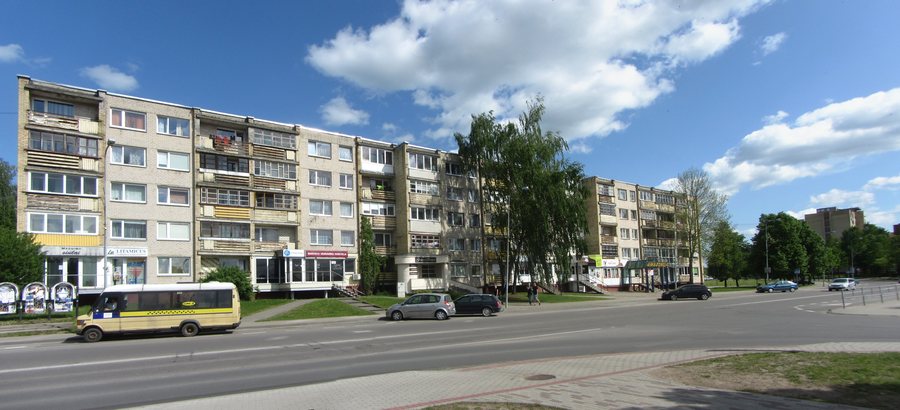
- Dauniškis Park offers walking paths, gardens, a pontoon bridge, several playgrounds and beaches.
- The 9 km-long Utena Happiness Road is designed for walking and travel by scooter or bicycle.
- The Utena Local History Museum dedicates its exhibitions to archaeology, history, ethnography, photography, literature and art.
- The Museum of Freedom Struggles covers events in the Utena region and Lithuania from 1940 to 1965.
- The Church of Divine Providence has an elliptical main church building and a bell tower with a triangular floor plan.
- The Church of the Ascension of Christ was completed in 1884 in the historicist style.
- Uteni Square marks the area of the Old Town; the fountain at Lake Dauniškis was gifted to Utena in 2011 for the city's 750th anniversary.
Plan walks and routes
Another option for planning your day is the Utena Happiness Road. Its length of 9 km gives you a clear sense of scale; it is designed for walking and travel by scooter or bicycle. You can consider in advance which of these modes of transport suits your travel plans.
Museums with different areas of focus
The exhibition topics at the Utena Local History Museum range from archaeology and history to ethnography and photography, as well as literature and art. The museum also organises exhibitions of folk art and photography, as well as presentations featuring works by professional artists and students. Its broad selection of subjects therefore caters to both historical and artistic interests.
The Museum of Freedom Struggles has a different focus: it covers key events in the Utena region and Lithuania from 1940 to 1965. This contrast can help you choose between a broad range of museum topics and a clearly defined historical period when deciding which cultural interests to pursue on your trip.
Church architecture and town history
You can consider two different church profiles for an architectural comparison. The Church of the Ascension of Christ in Utena was completed in 1884 in the historicist style. The Church of Divine Providence has a contemporary and unconventional design: the main church building is elliptical, while the bell tower has a triangular floor plan. This gives you a choice between a historical style classification and unusual geometric forms when deciding on your cultural interests.
The Church of Divine Providence also contains stained-glass windows by Kazys Morkūnas (1925–2014). This detail adds an artistic reference to the information about the building's form and bell tower. Together, the two churches offer different architectural points of interest to consider when planning.
Uteni Square marks the area of Utena's Old Town and invites residents and visitors to attend events. A fountain at Lake Dauniškis was gifted to Utena in 2011 for the city's 750th anniversary. These details highlight different aspects: the square provides a link to the Old Town, while the fountain commemorates a specific anniversary year.
Discover more destinations: Balninkai, Serapiniškė, Antalgė, Dubingių Seniūnija, Salakas, Sudeikiai, Anykščiai, Visaginas.
For the broader travel overview: Utena County.

