
Discover Roduka: Landscape and Cultural Heritage
Accommodation in Roduka
Key facts about the area
For trip planning, Roduka can also be considered through topics from the wider region. The examples offer different perspectives: an observation tower opens up views of forests, an ethnographic village represents cultural heritage, and historical sites span everything from partisan history to Stone Age life. This distinction can help you plan your trip around the interests you would particularly like to explore.
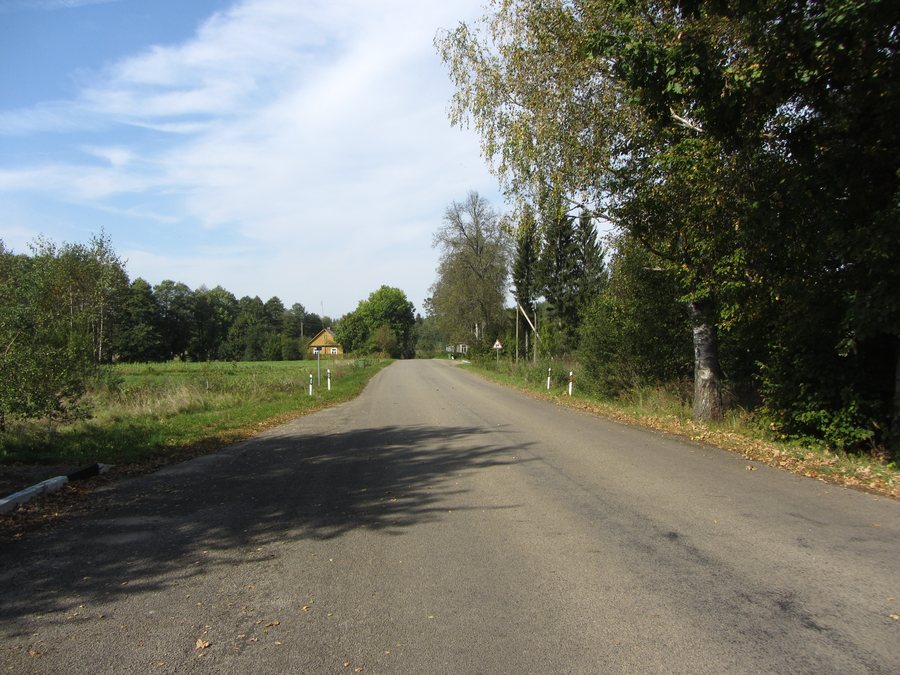
- The 30-meter-high observation tower in Puvočiai offers a view of the forests of Dzūkija.
- Dubininkas is one of the seven ethnographic villages in Dzūkija National Park.
- A command post has been reconstructed on the estate of partisan Juozas Jakavonis–Tigras in Kasčiūnai.
- The command post was intended for Dainava District commanders Juozas Vitkus–Kazimieraitis and Adolfas Ramanauskas–Vanagas.
- There are five Stone Age campsites near Lake Glynas.
- People lived at these campsites 3,000 to 4,000 years ago.
Forests and ethnographic heritage
The observation tower in Puvočiai is 30 meters high and offers a view of the forests of Dzūkija. For travelers who prioritize natural scenery when choosing places to visit, this is a clear landscape highlight. The view over the forests offers a different focus from the region’s cultural and historical topics.
Dubininkas is one of the seven ethnographic villages in Dzūkija National Park. This classification connects a named place with the cultural heritage of Dzūkija. Those who would like to include ethnographic culture in their trip planning alongside the landscape will find a different thematic perspective here than at the observation tower: the focus is on the village as an ethnographic site, not on the forest view.
History across different periods
In Kasčiūnai, the command post of the Dainava District commanders has been reconstructed on the estate of partisan Juozas Jakavonis–Tigras. The two commanders for whom the command post was intended are named: Juozas Vitkus–Kazimieraitis and Adolfas Ramanauskas–Vanagas. This gives partisan history a concrete connection to a place and the people involved.
The area near Lake Glynas offers a different historical perspective. It is home to five Stone Age campsites where people lived 3,000 to 4,000 years ago. The time span and number of campsites give this topic a clear archaeological context. It concerns early human settlement and is therefore a distinctly different way of exploring the past from the history of the command post in Kasčiūnai.
Choose the right focus
The regional topics differ both in subject matter and perspective: Puvočiai represents views of the forests of Dzūkija, Dubininkas represents ethnographic heritage, Kasčiūnai represents the history of the Dainava commanders, and the campsites near Lake Glynas represent archaeology. If you are planning a trip to Roduka, you can first consider whether you would like to focus more on landscape or history. Within cultural history, you can further distinguish between ethnographic heritage, partisan history, and Stone Age life. This choice of themes can help guide your further travel and accommodation planning.
Discover more destinations: Kibyšiai, Genionys, Merkinė, Viršurodukis, Pamusiai, Vilkiautinis, Marcinkonių seniūnija
For the regional travel overview: Varėna District Municipality.

