
Fishing holiday in Lithuania: waters, permits and rules
Lithuania offers anglers a wide variety of waters: lakes and rivers inland, as well as stretches along the Baltic Sea and the Curonian Lagoon. The permit you need depends not only on the region, but also on the status of the specific water and the type of fishing available there. So first choose your lake, river stretch or coastal area, then check the current rules before finalising your travel plans and equipment. This overview explains the key decisions without making blanket claims about fees, closed seasons or catch limits, which can change.
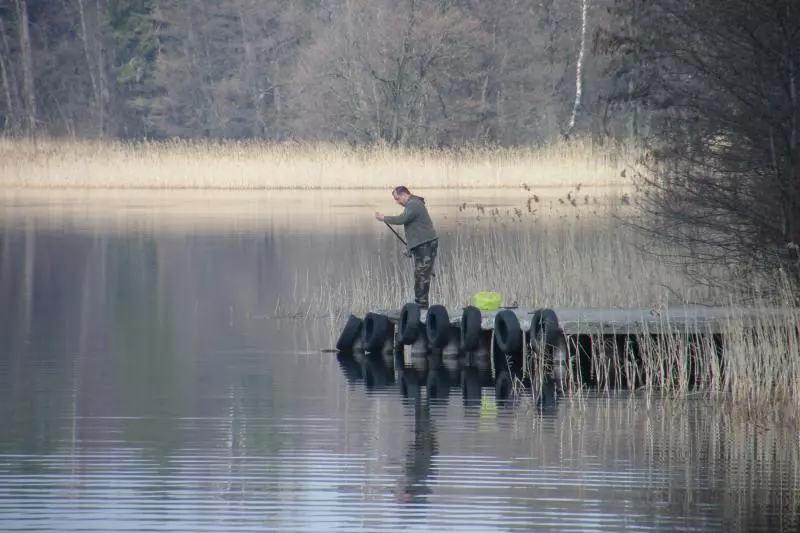 Angelurlaub Litauen
Photo: daddy
Angelurlaub Litauen
Photo: daddy
At a glance
- Fishing destinations range from lakes and rivers to the Baltic coast and the Curonian Lagoon.
- For unleased state waters without restricted fishing, the Ministry specifies fishing permit L05.1.
- A different, water-specific permit type applies to leased state waters without restricted fishing.
- Restricted fishing requires a separate permit or card; a general fishing permit is not automatically sufficient.
- The official ALIS system can help you check a water’s status and find the right application; read the conditions again before buying.
- Access, fishing and boat use may be subject to additional rules in protected areas.
- Before each trip, check closed seasons, minimum sizes, catch limits and permitted methods for the species and water concerned.
The permit depends on the water
The most important step before fishing is to establish the exact name and status of the water. The current information from Lithuania’s Ministry of the Environment distinguishes, among other things, between unleased state waters, leased waters and areas where fishing is restricted. Fishing permit L05.1 is used for unleased state waters without restricted fishing. A different, water-specific permit type applies to leased waters; restricted fishing requires a separate card or permit. Check the relevant classification in the official ALIS environmental permit system before applying.
A fishing permit is not a blanket licence for every lake and river. Before buying, check which location, period, catch purpose and methods the permit covers. Different rules may also apply if you move from a lake to a river or to a leased area. Fees and availability depend on the specific permit and may change; the permit system provides current information. If you book a guide or accommodation, be sure to clarify who will submit the application and which water it covers.
For foreign visitors, the Ministry describes an option in ALIS to enter a date of birth instead of a Lithuanian personal identification number. When fishing, have your permit number and an identity document with you; the current guidance in the system takes precedence. A printed copy is not required for every permit, but saving proof offline can be useful if you have no network connection.
Lakes, rivers and convenient bases
With lakes, it is often easier to plan the fishing spot, access and shoreline as a single destination, but the exact status of the water still matters. In the northeast, Zarasai can serve as a base for a trip to the lake district. Don’t rely on a map marker alone: check whether the shore is publicly accessible, whether you are allowed to enter the property, and whether your permit covers the chosen stretch.
Rivers require planning for the exact stretch. Currents, access to the banks and special management rules can vary along a river. If you want to spend several days by a river, you can read about a holiday on the Nemunas, the River Neman and then check the permit for your chosen stretch. A permit for a lake cannot simply be used on a river.
Nor should Lithuania’s national parks and protected areas be treated as one uniform fishing zone. Fishing, access to the shore or boat use may be restricted or prohibited in certain areas. Check local notices from the protected-area administration and compare them with the conditions of your fishing permit. A permit does not automatically cover every type of access or activity in a protected area.
The Baltic Sea, lagoon and harbour area
A coastal holiday takes more planning than a fishing trip on inland waters. The Baltic Sea, lagoon, river mouth and harbour area may each have different authorities, access arrangements and conservation requirements. Start with the specific stretch of shore rather than making assumptions about the entire coastline. The guide to a Baltic Sea holiday in Lithuania can help you choose a region; Klaipėda as a port city offers additional information about the city and getting there.
The Curonian Lagoon should not be treated as simply another name for the open Baltic Sea or an ordinary inland lake. Check the exact name and status of the water in the permit system. If you plan to fish from the shore, at a river mouth or from a boat, also check in advance whether any special access, boating or nature-conservation conditions apply. Up-to-date conditions cannot reliably be inferred from a general travel guide.
Closed seasons, catch rules and nature conservation
The official collection of inland fisheries rules currently shows a consolidated version dated 14 May 2026. Even so, check which version is in force before any later trip. For the specific water and target species, check at least the following:
- whether fishing is open on your planned day and whether a closed season applies;
- which minimum sizes, catch limits or retention requirements apply;
- which rods, baits and fishing methods are permitted;
- whether fish must be released or may be kept;
- whether access to the shore, night fishing, boat use or particular stretches are subject to special rules.
These rules are not the same everywhere. Information about a neighbouring lake does not replace either the permit conditions or the guidance from the relevant authority. Protected areas may have additional restrictions, even if fishing is generally allowed in the water. If two sources conflict, do not rely on an outdated travel guide: check the current legislation and, if in doubt, contact the relevant administration.
Preparing accommodation, a boat and your equipment
Your equipment should suit both the permitted method and the water. Before packing, check whether the hooks, baits, nets or other gear you intend to use are allowed. A measuring tape, hook remover and suitable equipment for handling your catch carefully are useful; the rules in force and protection of the water remain paramount. A boat trip is not automatically permitted just because there is a lake or an operator offering one. If you want to combine sailing with a fishing holiday, use the information on sailing holidays in Lithuania to plan your trip, and check the boating rules for the specific area as well.
For stays of several days, camping or accommodation for a rural holiday can be a practical option. Before booking, ask how far the permitted fishing spot is, whether there is a secure place for your equipment and how to access the shore. Travel and accommodation do not replace a permit; similarly, the presence of a jetty does not mean fishing is allowed there. Save a copy of your permit and note the exact name of the water so you can identify it clearly on site.
Frequently asked questions
What fishing permit do I need in Lithuania?
It depends on the water’s ownership and lease status, and on whether restricted fishing is organised there. The Ministry distinguishes between several permit types; check which category applies to your specific location in ALIS.
Does one fishing permit cover all lakes and rivers?
No. A permit may be limited to a type of water, a particular stretch or a specific period. If you move to a different water, check the scope of the permit again.
Can I apply for a permit through ALIS as a foreign visitor?
The Ministry says that foreign visitors can enter their date of birth instead of a Lithuanian personal identification number when applying. Follow the current instructions for entering your details, and carry your permit number and an identity document.
Are there special fishing rules in national parks?
Yes. Protected areas may impose additional restrictions on fishing, access to the shore and boat use. Check the guidance from the responsible administration for the specific area and water.
Where can I find current closed seasons and minimum sizes?
The applicable rules are set out in the current official version of the inland fisheries regulations, together with the permit conditions and guidance for the specific water. Do not rely on outdated lists or general information for another region.
