
Souvenirs from Lithuania: Amber, Linen and Specialties
Typical souvenirs from Lithuania range from amber and linen to ceramics, woodwork and regional foods. When buying amber, it is worth checking its origin, craftsmanship and proof of purchase; for food, transport and import rules matter. Choose souvenirs based on whether you would like to bring home something handcrafted, wearable or edible.
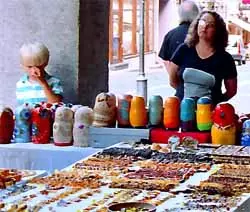 Souvenirs in Litauen
Photo: Daddy
Souvenirs in Litauen
Photo: Daddy
Quick facts
- Typical Lithuanian souvenirs: amber, linen, ceramics, woodwork and regional foods.
- Buying amber: Origin, craftsmanship and proof of purchase matter more than an especially low price.
- Textiles: Linen is lightweight and practical, and is available in many Lithuanian shops and markets.
- Ceramics and wood: Handcrafted pieces vary visibly in their materials, workmanship and design.
- Food: Bread, cheese, sweets and other shelf-stable specialties are often better choices for the journey home than perishable goods.
- Choosing what to buy: Before buying a more expensive item, ask about its material, origin, care and receipt.
- Transport: Current rules for food, alcohol, plants and animal products depend on your route and destination.
A good souvenir from Lithuania offers a tangible reminder of your trip and has a verifiable origin. Amber and ceramics are well known, but linen, woodwork and shelf-stable foods may be more practical if you have limited luggage space. It is worth comparing a specialist shop, a market and a museum shop. The official travel information in Lithuania Travel’s souvenir FAQ can help you learn about regional traditions and destinations.
Amber: checking origin and quality
Amber is one of the best-known souvenirs from Lithuania’s Baltic coast. Jewellery, small figurines and polished individual pieces are sold in many places. A visit to amber museums and information about Lithuanian amber can help you better understand the material and how it is worked. Along the coast, you can easily combine browsing in Palanga, Klaipėda and the Curonian Spit with a day trip around the Lithuanian regions.
When buying jewellery, ask whether it is natural amber, pressed amber or another type of material. A clear product description, a proper receipt and a verifiable origin are more helpful than sweeping claims such as “rare” or “especially valuable.” If the price is high, it makes sense to compare several pieces and check the shop’s return policy.
Linen, ceramics and woodwork
Lithuanian linen is easy to transport as a scarf, table linen, garment or small home accessory. Check the material label, the quality of the seams and the care instructions. A simple item with clear information is usually a better choice than one whose origin or material is described only in promotional terms.
Ceramics range from everyday tableware to decorative figurines. You can find small bowls and mugs at markets, in workshops and in shops in Vilnius or Kaunas. Check the edges, glaze and packaging before you buy. Small variations are normal in handmade pieces, but cracks, loose parts or unsuitable packaging should be pointed out. Woodwork and carved decorations are especially appealing when they are made from responsibly sourced materials and can be packed safely in your luggage.
Food souvenirs
Lithuanian specialties also make tasty souvenirs. Lithuania Travel mentions apple cheese, Šakotis (tree cake), Skilandis, honey, cheese and herbal tea, among other items; you can find more about dishes and ingredients on the page about Lithuanian cuisine. Cepelinai are a freshly prepared dish, however, and are not suitable for packing in your suitcase.
For the journey home, original packaging, the use-by date and any refrigeration requirements are key. When travelling within the EU, travellers can generally take meat and dairy products for personal consumption, as long as no local animal-disease restrictions apply. Rules are much stricter when entering from a non-EU country, particularly for meat and dairy products; plants, alcohol and restricted goods are also subject to specific requirements. Before buying, check the latest guidance from the relevant customs and food authorities for your particular route.
Where to find souvenirs and shop safely
In Vilnius, shops are concentrated in the Old Town and central shopping areas. Kaunas combines shops, markets and cultural venues, while Klaipėda and Palanga are convenient options for visitors to the coast. If you visit a market or festival, you can combine shopping with finding out about events in Lithuania, but check opening hours and dates locally for the latest information.
Compare the material, size, price and packaging. Sellers should be able to explain exactly what they are offering, especially for jewellery and ceramics. Don’t pay solely for a claimed story of origin, and ask for a receipt for higher-value purchases. For fragile items, bubble wrap, a sturdy box and carrying them in your hand luggage or among soft clothing can help, provided the security rules for your journey allow it.
FAQ
What is a typical Lithuanian souvenir?
Popular choices include amber, linen, ceramics, woodwork and shelf-stable regional foods. The best option depends on its origin and quality, as well as your luggage and route.
How can I tell if amber is good quality?
Ask about the material and how it was worked, compare several pieces, and look for a clear product description and a receipt. A low price alone is no proof of quality.
Can I take Lithuanian food home to Germany?
Many goods are subject to different conditions when travelling within the EU than when arriving from a non-EU country. Check the latest official requirements for animal products, alcohol and restricted goods.
Where can I buy souvenirs in Lithuania?
Shops, markets, workshops and museum shops in Vilnius, Kaunas, Klaipėda, Palanga and other destinations offer a range of products at different prices.
Are handmade items always better?
Not necessarily. What matters is the material, workmanship, verifiable origin and usefulness to the person who will eventually use the souvenir.
