
Kaziukas Fair (Kaziuko mugė) in Vilnius
The Kaziukas Fair (Kaziuko mugė) is Vilnius’s traditional spring market in honor of Saint Casimir. With crafts, regional foods and music, it offers a chance to discover Lithuanian culture up close.
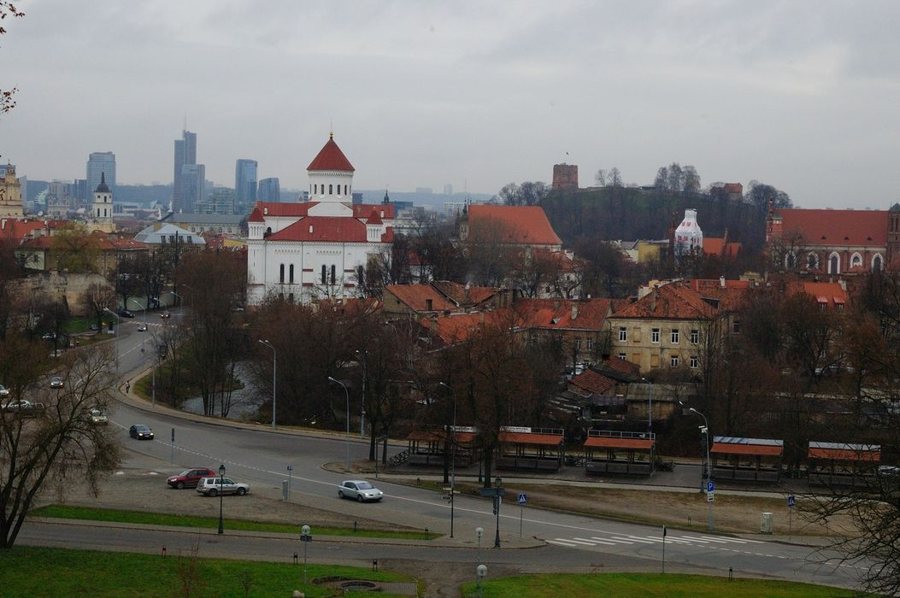 Historische Dächer und moderne Hochhäuser prägen das Stadtbild von Vilnius.
Photo: Dmitriy Zuev
Key facts
- Occasion: Kaziuko mugė is a traditional market and festival honoring Saint Casimir, the patron saint of Lithuania.
- History: Go Vilnius traces the market’s history back to 1604; the organizer places its origins in the 17th century.
- Time of year: The market traditionally takes place in early March. The exact weekend is announced anew each year.
- Crafts: Popular offerings include woodwork, textiles, ceramics, jewelry and other handmade items.
- Verbos: These colorful Lithuanian decorative arrangements are made from dried flowers and grasses, herbs and willow branches.
- Market food: Typical sweet souvenirs include Kaziuko širdelės, decorated gingerbread hearts, and ring-shaped riestainiai.
- Planning your visit: The program, market area, transport and access points may change from year to year; check the latest information from the organizer and the city.
What is Kaziuko mugė?
Kaziuko mugė, often called the Kaziukas Fair or St. Casimir’s Fair in English, is an annual crafts and spring market in Vilnius. It is associated with Saint Casimir, the patron saint of Lithuania. Go Vilnius dates the tradition to 1604; the organizer describes its origins more broadly as a religious festival in the 17th century. Over the centuries, it developed into a market bringing together crafts, regional products and cultural performances.
Early March is the traditional time for the festival; the dates, market locations and program vary with each edition.
Crafts to discover in person
It is worth exploring even if you do not plan to shop. At the stalls, visitors can find carved wood, woven textiles, ceramics, jewelry and handmade household items. Seeing the materials and how items are made in person can make them easier to appreciate. Where demonstrations are offered, you can watch the process and ask the craftspeople about the techniques they use.
Particularly distinctive are the verbos: artfully bound, colorful branches and bouquets made from dried plants, grasses and willow twigs. They are a unique form of Lithuanian folk art, more than just an ordinary bouquet. Since their appearance varies depending on the materials and binding, comparing several stalls offers a good glimpse of the variety of craftsmanship. If you would like to take one home, ask about care and safe transport before buying.
The selection may vary from year to year; themed areas, demonstrations and family activities are part of the program for each edition.
Sample regional specialties
The fair brings crafts together with food and drink. Popular sweet souvenirs include decorated Kaziuko širdelės, or gingerbread hearts, as well as ring-shaped baked goods called riestainiai. Market stalls and food areas may also offer savory dishes, cheese, honey, bread or smoked products. The selection depends on the participating producers and the particular edition.
When buying food, ask about ingredients, allergens and storage if needed. For a longer journey home, shelf-stable products are usually a better choice than items that need refrigeration. Ask the seller how a product should be transported. That way, you can choose a tasty souvenir without having to rely on guesswork along the way.
Dates and market area
The market is one of the city’s major events, but the exact route and venues may change each year. Previous editions have spread across central streets and squares; for your next visit, rely on the current map. Check which days the stalls are open, where the entrances are and whether there are additional rules for stages or special events.
Crowded streets can take longer to get around than on a regular city sightseeing trip. Wear comfortable shoes, agree on a meeting point with your companions, and keep important documents and valuables safe. If you have limited mobility, are using a stroller or are visiting with young children, check the current map in advance for accessible routes, possible road closures and places to rest. These details may differ for each edition.
Combine your trip with a stay in Vilnius
Plan your travel around the confirmed dates and your accommodation. Check your flight, baggage and onward journey together; arriving later may mean you need a different connection to your hotel. The guide to flights to Lithuania can help you compare airports. For practical information on getting to the capital, see Vilnius Airport.
Vilnius has plenty to see before or after the market. The overview of Vilnius can help you plan your city visit, while more things to see in Vilnius can round out your itinerary. If you are interested in sacred architecture, read up on places of worship in Vilnius in advance or plan a visit to the Gate of Dawn.
If you have more time in the city, choose a museum that suits your interests and book accommodation with convenient access to the market and other destinations. Find a starting point with our guide to museums in Lithuania and hotels in Vilnius. For events in other seasons and regions, see our overview of festivals and events in Lithuania.
FAQ
When does Kaziuko mugė take place?
The market traditionally takes place in early March. The exact weekend, map and program are decided anew for each edition, so check the latest information from the organizer and the City of Vilnius.
What does Kaziuko mugė mean?
The Lithuanian name refers to the Kaziukas Market or Kaziukas Fair. The festival is dedicated to Saint Casimir and today brings together crafts, food and cultural activities.
What can I buy at the market?
Popular items include handmade woodwork, textiles, ceramics and jewelry. The colorful verbos are particularly distinctive, as are Kaziuko širdelės and riestainiai as sweet souvenirs; the specific selection varies.
Is Kaziuko mugė just a flower market?
No. Verbos are a well-known symbol of the market, but the fair also features other crafts, regional foods and a cultural program. Demonstrations and stage events depend on the particular edition.
Where is the market held in Vilnius?
Previous editions have used central streets and squares in Vilnius. The exact area changes, so check the current map before your visit, including for travel arrangements, entrances and possible road closures.
