
Discover Klaipėda: Old Town, Theatre Square, and day trips
Klaipėda combines a compact Old Town with maritime history, museums, and access to the Curonian Spit. You can explore central squares and historic streets in just a few hours; visiting Smiltynė and the Maritime Museum also requires a ferry ride. This guide helps you arrange stops according to your interests, length of stay, and the latest ferry and museum information.
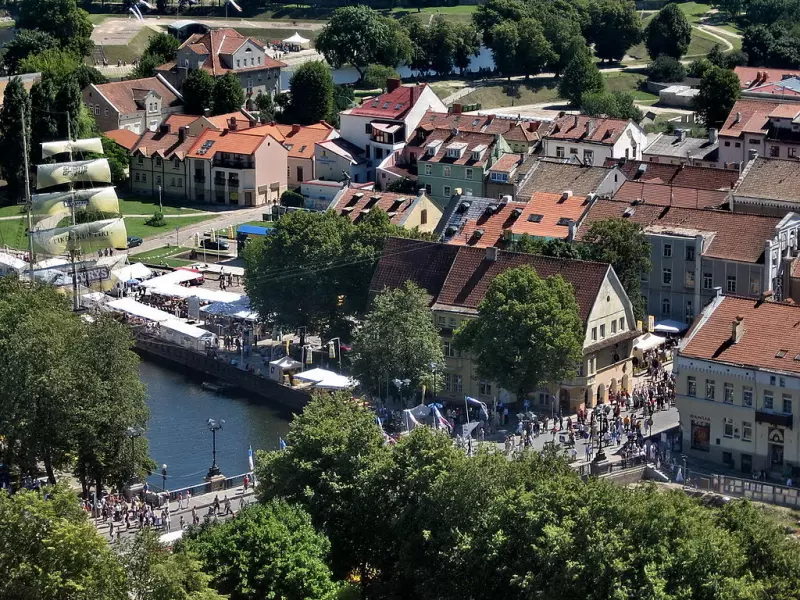 Klaipėda Senamiestis
Photo: Žiedas / wikipedia / gemeinfrei
Quick facts about Klaipėda’s attractions
- Theatre Square: The square took shape in the 19th century; its history began in 1819, when part of the castle moat was filled in and a market was established.
- Ännchen von Tharau: The fountain and Simon Dach monument were installed in 1912; a new version returned to the square in 1989.
- Old Town: Cobblestones and half-timbered houses define parts of the historic centre; sturdy shoes are useful for longer walks.
- Ferry to Smiltynė: The Old Ferry is for pedestrians and bicycles; cars use the New Ferry.
- Maritime Museum: The Lithuanian Sea Museum and Aquarium are in Smiltynė on the Curonian Spit, not in the Old Town.
- How long to visit: One day is enough for selected places in the centre; extra time allows for museum visits and a trip across the water.
- Timetables: Departures, fares, and museum opening hours may change; check the official information on the day of your visit.
- Coastal route: Neringa and Palanga are suitable as separate day-trip destinations and should not be planned without checking ferry and road connections.
Explore Theatre Square and the Old Town on foot
Start at Theatre Square, a central venue for culture and public events. Its history goes back to 1819, when part of the castle moat was filled in and a new market was established. A market hall and additional trading areas were added in the 19th century. Today, the square is an easy-to-find starting point for exploring the Old Town at your own pace—and a place to return to for a city festival or concert.
The square is home to a fountain featuring a monument to Simon Dach and the figure of Ännchen von Tharau. The poet wrote the well-known song about the young woman; the sculpture was installed in 1912, disappeared during the Second World War, and returned in a new version in 1989. The site brings together literature, city history, and everyday life today. Take time to notice the details of the fountain and compare the surroundings with the neighbouring streets rather than stopping only for a quick photo.
From here, it’s easy to explore the historic centre on foot. In parts of the Old Town, cobbled streets and half-timbered façades sit alongside later buildings and modern shops. The paths are not all equally level: if you are travelling with a pushchair, walker, or wheelchair, check a specific route in advance and plan breaks. For a broader picture of Klaipėda, combine this walk with the overview of Klaipėda as a port city.
The port, ferries, and maritime history
In Klaipėda, two different ferry journeys come into play: the Baltic Sea crossing to the port and the short trip from the city to Smiltynė. If you are arriving by car or motorhome, choosing the right terminal is essential; a pedestrian heading to the Maritime Museum, on the other hand, will need the passenger ferry. Check the route, terminal, vehicle rules, and departure time with the operator before finalising your day’s plans. The overview of ferries to Lithuania and the information about the Klaipėda ferry port cover arrival by different modes of transport.
The Old Ferry to Smiltynė is for pedestrians and cyclists; cars cannot travel on it. Motor vehicles use the New Ferry. Keep in mind what lies on the other side of the Curonian Lagoon: whether you’re heading to the beach, the museum, or on to Neringa, choose your departure and onward connection accordingly. The overview of the Curonian Lagoon and the guide to Neringa can help you fit the short crossing into a longer route.
Smiltynė and the Lithuanian Sea Museum
Smiltynė is separated from the city by water and is usually reached by ferry. It is home to the Lithuanian Sea Museum, an aquarium, and other exhibitions; what you can visit depends on what is open on the day. The museum publishes its opening hours by period and may run certain activities or demonstrations seasonally. Check the current monthly calendar before planning your crossing around a booked appointment.
Treat the museum visit as a separate activity and allow time for getting there, moving around the site, and returning. If your main aim is to spend time by the water, compare the beaches on the spit with destinations that are easier to reach from the city. Information about beaches in Lithuania and the Curonian Spit can help you distinguish a museum visit from a coastal stay. For a broader overview of exhibitions around the country, see the page on museums in Lithuania.
How much time to allow
For a first impression, spend a day visiting Theatre Square, the Old Town, and a selection of historic sites. Start at the central square, wander the old streets without rushing, and check whether a museum is open. If your stay is short, don’t try to cover the city centre, Smiltynė, and a coastal town all at once: timetables, waiting times, and seasonal opening hours can change your plans.
With two days, you can combine a day in the centre with a ferry ride and a museum visit. A third day leaves room for a dedicated coastal trip. The official Klaipėda visitor guide also groups suggestions into one-, two-, or three-day itineraries; choose the order based on the weather, museum opening hours, and your interests. For a longer seaside trip, compare Lithuania’s Baltic coast and the resort towns of Palanga, rather than treating every destination as part of one city walk.
If you’re combining Klaipėda with the coast, check for each leg whether you’ll be travelling on foot, by bicycle, or by car. A trip to Neringa and a day at the beach require different time buffers. Check for last-minute changes with the ferry operator and museums; general travel information is no substitute for a current timetable.
Practical tips for your visit
Comfortable shoes are a good idea in the historic centre, as some routes cross uneven cobblestones. If you need a more accessible walk, get up-to-date information in advance about surfaces, roadworks, and possible detours; conditions can vary from street to street. Also, if the coastal weather is changeable, plan an alternative in the city centre, such as a museum or exhibition, and check that it will be open on the day of your visit.
Events in Theatre Square and museum offerings change throughout the year. For events, special exhibitions, and demonstrations, rely on the organisers’ current information rather than a general city guide. If Klaipėda is just one stop on your trip, you can combine the city with the nearby coast; for a broader regional overview, see Klaipėda, Neringa, and Palanga.
Frequently asked questions about Klaipėda’s attractions
What should I see first in Klaipėda?
Theatre Square and the surrounding streets are a convenient starting point for exploring the Old Town. If you have more time, add a museum visit or a ferry trip to Smiltynė.
How long do I need in Klaipėda?
One day may be enough to visit selected places in the centre. Allow more time for the Sea Museum, Smiltynė, and other coastal destinations, and check opening hours and ferry schedules.
How do I get to the Lithuanian Sea Museum?
The museum is in Smiltynė on the Curonian Spit. The passenger ferry is intended for visitors travelling on foot or by bicycle; check in advance which connection best fits the rest of your itinerary.
Can I drive to Smiltynė?
The Old Ferry does not carry cars. The New Ferry is for motor vehicles; check the operator’s current rules, timetable, and fares.
Is the Old Town suitable for pushchairs and wheelchairs?
Some streets have cobblestones and uneven sections. Check a specific route before your visit and, if you have particular mobility needs, confirm the latest information with the tourist information centre.
Can I combine Klaipėda with Neringa or Palanga?
Yes, but each destination needs its own time for travel and sightseeing. Plan the connection according to your mode of transport, ferry times, and the season; the coastal overview can help you compare the destinations.
