
Discover Vilnius: History, Culture and Urban Greenery
Accommodation in Vilnius
Key facts
For several centuries, Vilnius was the political center of the Grand Duchy of Lithuania and influenced the cultural and architectural development of much of Eastern Europe. Various places offer insights into different chapters of this history. The Gates of Dawn is the only surviving part of the former defensive wall. The Cathedral Basilica of St. Stanislaus and St. Ladislaus stands in the city center and is another prominent landmark.
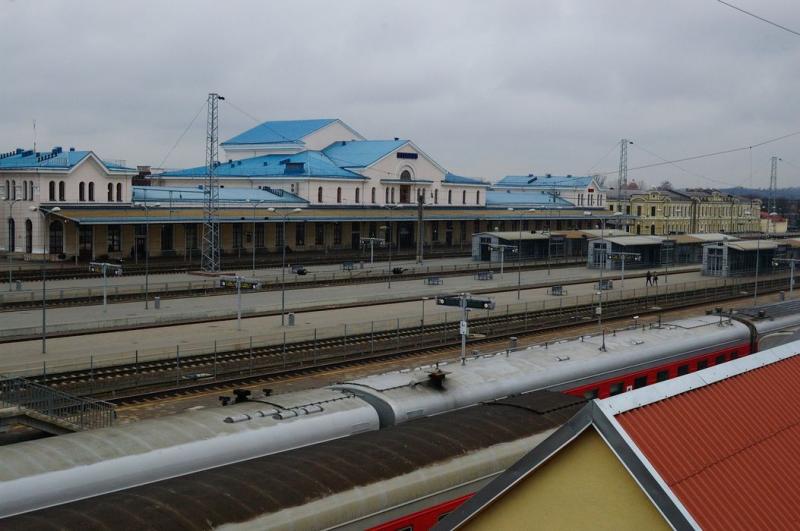
- From the 13th century until the end of the 18th century, Vilnius was the political center of the Grand Duchy of Lithuania.
- The Gates of Dawn is the only surviving gate of Vilnius’s former defensive wall.
- The Cathedral Basilica of St. Stanislaus and St. Ladislaus stands in the city center.
- Gediminas Castle Tower is a branch of the National Museum of Lithuania.
- Three white reinforced-concrete crosses stand on a hill, clearly visible from afar: the Three Crosses Memorial.
- Bernardine Garden lies between Gediminas Hill, the Vilnelė River and the Bernardine Monastery.
- A guided tour of the Old Town lasts 2.5 hours and provides a historical overview of Vilnius.
History at the gates and landmarks
Gediminas Castle Tower is a branch of the National Museum of Lithuania. On the third floor, visitors can imagine what it was like to take part in the Baltic Way. During this large anti-Soviet demonstration in August 1989, nearly two million people joined hands from Vilnius to Tallinn. The Three Crosses Memorial offers a different focal point: its three white reinforced-concrete crosses stand on a hill and are visible from afar.
Views, greenery and outdoor art
Next to the church stands a Renaissance-Baroque bell tower with an observation platform and panoramic views. Visitors can reach the platform by elevator or climb 193 steps. This means you can choose between the elevator and the stairs when planning your visit; the number of steps is part of the access information provided.
Bernardine Garden, formerly known to Vilnius residents as Sereikiškės Park, lies in the heart of the city between Gediminas Hill, the Vilnelė River and the Bernardine Monastery. These nearby landmarks help define the garden’s setting. The outdoor sculptures and installations at the Užupis Art Incubator change over time. If you are interested in public art, this place offers a distinctive perspective on urban design.
Tours, tastings and events
The 2.5-hour guided tour of the Old Town provides a historical overview of Vilnius’s development and the features that define the Old Town. A professional local guide leads a small group to UNESCO World Heritage highlights and lesser-known places. The tour thus combines historical context with a range of stops. Check the current tour details before planning.
Depending on the season, the tour includes Lithuanian treats: traditional bread, classic cheeses, apple cheese and local desserts. The selection varies seasonally and may change. The tastings are part of this tour; they are not a general offering across the city. If this culinary addition is of particular interest, include the current tour description in your planning.
Concerts, events and festivals take place on the centrally located stage in Vingis Park. No specific event is associated with it, so check event dates when planning your trip. Unlike the historical focus of an Old Town tour, the emphasis here is on live stage events.
When choosing a hotel in Vilnius, you can first consider what you want to shape your stay: historic landmarks and the Baltic Way, urban greenery and changing outdoor art, or a tour with seasonal tastings. If you want to attend a particular concert or festival, you can factor event dates into your plans.
Discover more destinations: Gineitiškės, Sudervė, Skirlėnai, Paberžė, Dūkštos, Vilkiškės, Galgiai, Zujūnai.
For the broader travel overview: Vilnius District Municipality.
