
Semeliškės – Churches, Local History and the Strėva
Accommodation in Semeliškės
Key facts
Semeliškės brings together two distinct church buildings and a protected historic town centre. The Church of St. Laurynas is made of wood and dates to 1723; its bell adds a much earlier date to the building’s history: it was cast in 1442. Together, the construction date and the casting date of the bell provide two specific points of reference for the town’s history.
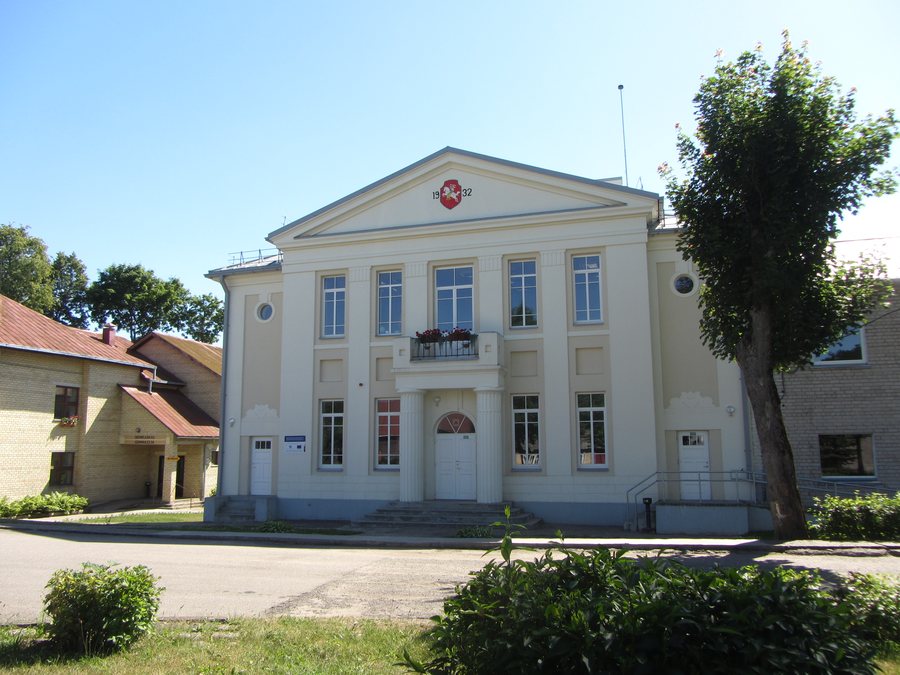
- The wooden Church of St. Laurynas was built in 1723 and is one of the oldest wooden churches in Lithuania.
- The bell in this church’s bell tower was cast in 1442.
- The historic town centre is a state-protected urban complex.
- The stone Church of St. Nicholas the Wonderworker is connected to the bell tower.
- The fast-flowing Strėva runs through Semeliškės.
- Nestrėvantys, the largest lake in the area, lies east of the town; the smaller Lake Beržuolis lies to its north.
- Semeliškės was named Lithuania’s Little Cultural Capital for 2026.
Churches and local history
The stone Church of St. Nicholas the Wonderworker has a different appearance, with the building connected to the bell tower. The state-protected urban complex also invites you to look beyond the individual churches and take in the historic town centre. Here, different aspects of the built heritage sit side by side: timber construction, stone construction, a bell tower and the protected townscape.
The Strėva and the surrounding lakes
The Strėva runs through Semeliškės and is described as fast-flowing. Its right-bank tributaries include Luknia, Beržuolė, Dubreika, Dumblė, Kalpė and Žiežmarė; its left-bank tributaries include Dabinta, Vuolasta, Spengla, Kiementa, Kertus and Limšius. The river landscape is a distinct part of the townscape, alongside the historic buildings.
The lakes also help you get your bearings in the area, but should not be confused with the river. Nestrėvantys lies east of Semeliškės and is the largest lake in the area. The smaller Lake Beržuolis lies to its north. This makes it possible to distinguish the local natural features: the fast-flowing Strėva in town and two lakes whose relative positions are described.
Cultural connections and dated events
Semeliškės was awarded the title of Lithuania’s Little Cultural Capital for 2026. This adds a clearly dated cultural reference to the town’s historic and landscape features. However, a title alone is not an events programme, so you should not infer specific dates from it.
The 25th “Nuo Lauryno iki Roko” Festival was scheduled to take place in Semeliškės from 10 to 16 August 2026. The ninth open-air art symposium, featuring professional artists from Lithuania, was also planned as part of the festival for 2026. The festival week has now passed; both details refer to the plans made at the time for 2026 and do not indicate that the event will be repeated.
Considering Semeliškės as a place to stay
When looking for a hotel, you can first consider which aspect of the town matters most for your trip: its churches and protected historic centre, the Strėva, or the nearby lakes. These are distinct highlights, but together they give a clear picture of Semeliškės through its local history and landscape. The cultural title awarded in 2026 is another time-specific point of reference, while the churches and description of the river are enduring features of the town.
When choosing accommodation, this distinction helps you match your interests to the features actually described, rather than treating a cultural stay and a landscape-focused stay as the same thing. Discover more destinations: Elektrėnai, Daugirdiškės.
For the broader travel overview: Elektrėnai Municipality.

