
Suviekas: Local history spanning several centuries
Accommodation in Suviekas
Key facts
The earliest dates take us back to the 15th century: Suviekas is first mentioned in historical sources in this century, and toward its end the settlement was transferred to Mykolas Glinskis. This gives the historical overview two distinct milestones to begin with: an early mention and a political event. The later records add ecclesiastical history and named sites. Suviekas, then, cannot be reduced to a single date or topic.
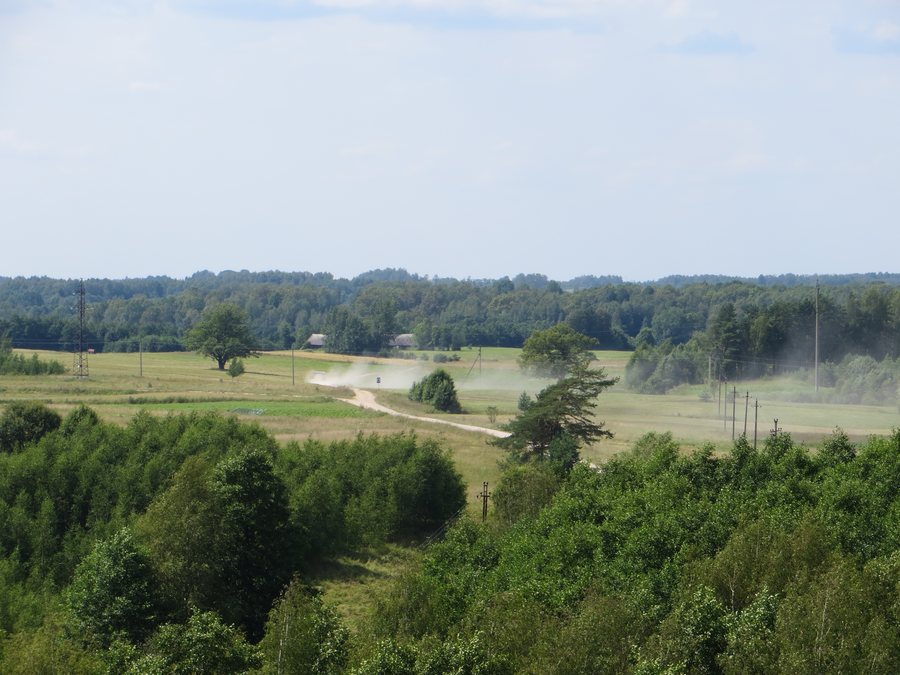
- Suviekas is first mentioned in historical sources in the 15th century.
- Toward the end of the 15th century, Alexander Jagiellon transferred Suviekas to Mykolas Glinskis (1460–1534).
- A wooden church in Suviekas is documented in 1522.
- A Protestant Reformed church is documented there in 1617.
- The Chapel of St. Anne (Šv. Onos koplyčia) was consecrated in 2005.
- The Suvieko manor estate is located in Suviekas.
- The hill fort of Zytkalnis is also located in Suviekas.
Historical milestones in Suviekas
Alexander Jagiellon, the Grand Duke of Lithuania, was responsible for the transfer. The recipient was Mykolas Glinskis, a prince of Tatar origin whose dates of life are given as 1460–1534. The ruler, recipient, and approximate date give this chapter of local history specific names. Glinskis’s lifespan provides a biographical frame for the person, without assigning the event to a single year: it is dated to toward the end of the 15th century. Those interested in the history of Lithuanian settlements will find here a dated political episode, not just a place name.
Ecclesiastical history spanning several centuries
The ecclesiastical milestones differ in their dates and in what they highlight. A wooden church in Suviekas is documented in 1522; a Protestant Reformed church is documented in 1617. There are 95 years between these two dates. The first record highlights the building material, while the second identifies the denomination. A much later milestone is the Chapel of St. Anne, consecrated in 2005 and known in Lithuanian as Šv. Onos koplyčia. Thus, building material, denominational affiliation, and chapel consecration stand side by side as distinct points of reference.
You can read this sequence in different ways, depending on your interests: focus on the early church records or consider the more recent chapel consecration as a milestone in its own right. The dates span the 16th and 17th centuries through to the 21st century. This comparison brings the different eras into focus without combining them into a single story.
The manor estate and Zytkalnis
The Suvieko manor estate and the hill fort of Zytkalnis broaden the picture with two more historical topics identified by name. Unlike the church records, which are associated with dates and religious features, the names of the sites take center stage here. This gives you two complementary ways to explore Suviekas: the timeline of historical records and the names of local cultural heritage sites. The ecclesiastical milestones and the two sites offer distinct yet complementary points of interest.
If you are considering Suviekas as a possible destination on your trip to Lithuania, you can weigh up whether you are especially interested in early local history, traces of the past in its churches, or the named sites. These specific topics provide a factual basis for choosing your destination and help you place Suviekas in its cultural and historical context.
Discover more destinations: Dusetos, Smalvos, Zabičiūnai
Return to the broader travel overview: Zarasų rajono savivaldybė.

