
Mažeikiai District Municipality – Museums, Manor Culture and Recreation
Accommodation in Mažeikiai District Municipality
In Mažeikiai District Municipality, different approaches to regional history come together: the Mažeikių muziejus focuses on the heritage of Žemaitija and the history of oil, while manor houses, a pharmacy museum and a historic hillfort offer further themes. Recreation areas such as Plinkšių poilsiavietė are also part of the region’s attractions. The interests that appeal to you most can help you plan your trip and find suitable accommodation.
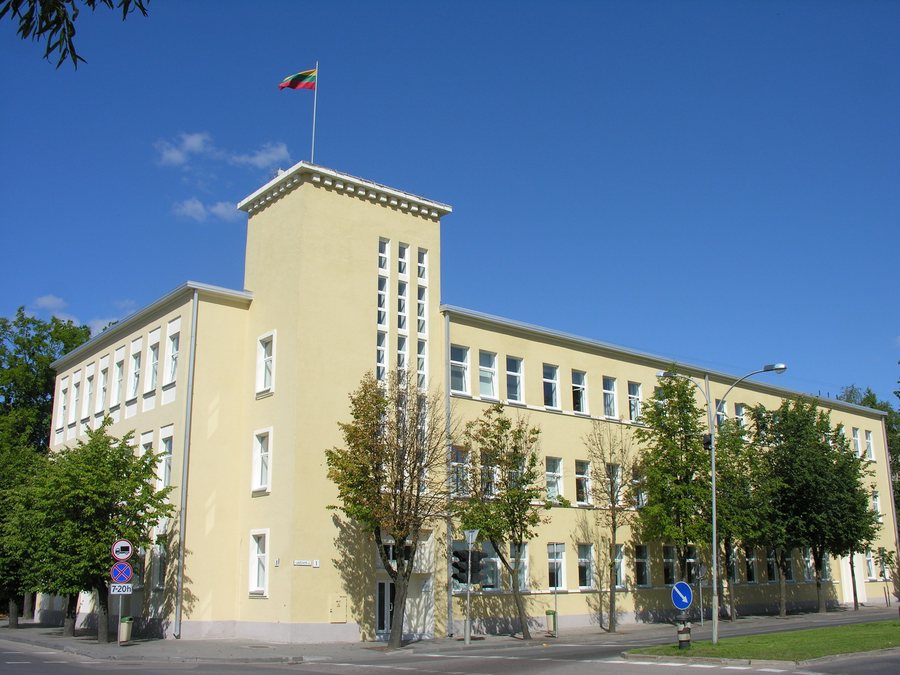 File:Mazeikiu savivaldybe.jpg
Photo: Algirdas at Lithuanian Wikipedia via Wikimedia Commons, CC BY-SA 3.0
File:Mazeikiu savivaldybe.jpg
Photo: Algirdas at Lithuanian Wikipedia via Wikimedia Commons, CC BY-SA 3.0
Key facts
- The Mažeikių muziejus presents the history, archaeology, ethnography and folk art of the Žemaitija region.
- Its permanent exhibition “Naftos kelias” explores the extraction and processing of petroleum products, as well as the history of the Mažeikiai oil refinery.
- Plinkšių poilsiavietė recreation area has several viewpoints and a path adapted for the recreation of people with disabilities.
- Švedkalnis hillfort near Gyvoliai has wooden boardwalks, established visitor paths and a viewpoint.
- At the Viekšnių vaistinės muziejus, the pharmacist family’s living quarters and the handwritten history of the pharmacy have been preserved.
- The restored Renavo dvaro sodyba manor estate has housed a museum exhibition on Lithuanian manor culture since 2012.
Museums: from Žemaitija to the history of oil
At the Mažeikių muziejus, regional cultural history meets a subject closely associated with the name Mažeikiai. The exhibition “Mažeikių kraštas: tarp kuršių, žiemgalių ir žemaičių” presents the cultural heritage of the Kuršių, Žiemgalių and Žemaičių. The museum also explores the history, archaeology, ethnography and folk art of Žemaitija. Here, you can discover different facets of the region in one museum, from its peoples and traditions to archaeological and folk-art themes.
The permanent exhibition “Naftos kelias” takes a different approach. It traces the extraction and processing of petroleum products, production processes and products, and the history of the Mažeikiai oil refinery. Those interested in industrial history will find a concrete introduction here; the exhibition complements the museum’s cultural and historical themes with a look at petroleum processing.
Pharmacy, manor culture and historic buildings
The Viekšnių vaistinės muziejus is a rural-style pharmacy museum. Among the areas preserved are the pharmacist family’s living quarters; the pharmacy’s history has been recorded entirely by hand. The museum also features a pharmacy exhibition, an exhibition on the household of an intellectual from the first half of the 20th century, and an exhibition in the medicinal plant garden. Medicinal and culinary plants are grown there, and hands-on educational activities are held. These different themes make the site an interesting destination if you are interested in both pharmacy and everyday life and garden history.
Manor culture can also be explored at specific sites. The restored Renavo dvaro sodyba estate has featured a museum exhibition introducing Lithuanian manor culture since 2012. The “Muzikinė vasara Dautaruose” festival is held at Dautarų dvaras manor as an established, recurring tradition. The Piliakalnis hillfort near Gyvoliai, known as Švedkalnis, is classified as a small defensive castle dating from the 1st millennium to the 13th century. Wooden boardwalks, established paths, an information board and a viewpoint are part of the site.
Another striking building is the Pikelių Švč. Trejybės bažnyčia. It is an architectural monument of national significance; its seven Renaissance- and Baroque-style altars are also recognized as nationally significant art monuments. The Geležinkelio tilto per Ventą statinių kompleksas, the railway bridge complex over the Venta, has been classified as an immovable cultural property since 2007. Both examples complement museum and manor visits with architectural and heritage history.
Recreation and more destinations in Telšiai County
For a different kind of visit, Plinkšių poilsiavietė recreation area has several viewpoints and a path designed for the recreation of people with disabilities. The site is suitable for events. At the ecological medicinal herb farm of Jadvyga Balvočiūtė, a herbalist and pharmacognosist, an exhibition of medicinal plants showcases the farm’s plant life; groups and individual visitors can visit it.
Telšiai County, the wider travel destination, offers more ideas for planning a trip. The nature trail in Jomantai Forest is 4 kilometres long; completing the full route, including the information and a subsequent crossword puzzle, takes about 3 hours. There are 23 information boards and seven rest areas along the trail. Also in Telšiai County, Germantas Landscape Reserve covers 924 hectares and protects a landscape typical of the Central Samogitian Upland, with lakes, forests, streams and marshes. In Telšiai, the Bear Museum houses more than 5,837 bears and teddy bears made from different materials and found in a variety of sizes and shapes.
These destinations in Telšiai County offer distinct excursion and cultural themes and should be distinguished from the attractions in Mažeikiai District Municipality.
More places in the area: Kalnėnai, Seda.
More destinations in Telšiai County: Plungė District Municipality, Rietavas Municipality, Telšiai District Municipality.
Go to the wider travel guide: Telšiai County.

