
Visiting Kernavė: hillforts, history and practical tips
Kernavė lies in the Neris Valley, about 35 kilometres northwest of Vilnius. Five hillforts and archaeological traces spanning many millennia make this cultural landscape a special destination for a day trip. At the museum and a reconstructed medieval settlement, visitors can explore archaeological finds, research and crafts. Trails, museum services and travel options may change; check the latest information before setting out.
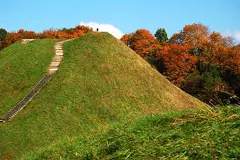 Kernave
Key facts
- UNESCO: The Kernavė Archaeological Site has been on the World Heritage List since 2004.
- Location: The cultural landscape is in the Neris Valley, about 35 kilometres northwest of Vilnius.
- Settlement: Archaeological evidence shows that people have been present here for around ten millennia.
- Hillforts: In the 13th century, five hills together formed the medieval town’s defensive complex.
- Museum: The archaeological museum is at 4A Kerniaus Street and displays finds and research results.
- Research: Archaeological investigations at the site have been carried out since 1979.
- Open-air exhibition: Three artisans’ courtyards illustrate a section of the 13th and 14th centuries reconstructed on the basis of archaeological evidence.
Why Kernavė is a remarkable cultural heritage site
Kernavė is not a single castle with an enclosed courtyard. The World Heritage Site is an archaeological landscape in the Neris Valley: settlement remains, cemeteries and five hillforts form part of a shared historical setting. The official UNESCO entry for Kernavė lists the site since 2004 and describes the hills as part of a defensive complex that protected the medieval town in the 13th century. According to this official entry, evidence of human settlement dates back around ten thousand years.
The local museum complements this long history with specific finds and insights into archaeological methods. The surrounding landscape shows that history is not found only in buildings: changes in the terrain, proximity to the river and the arrangement of the hills help explain the location and development of earlier settlements. If you would like to compare different protected landscapes in Lithuania, the overview of national parks in Lithuania offers more destinations; Kernavė itself is above all an archaeological and historical-cultural site.
Exploring the five hillforts in the Neris Valley
The five hills dominate views across the valley, but they are just one part of the larger protected area. A walk takes you across open spaces, up slopes and to viewpoints. Take time to see the landscape from several angles rather than simply making a quick climb to the highest visible point. The protected-area administration’s orientation map marks the hills, museums, viewpoints and rest areas. It can help you choose a walk suited to the weather, the time you have and your fitness level.
The terrain is not flat throughout. Grass can be slippery after rain, and the hills have slopes and uneven paths. Wear shoes with good grip, bring an extra layer in changeable weather, and keep children close near steeper edges. Stay on marked paths and observe closures and information signs to help protect sensitive archaeological areas.
If you would like to read up on Lithuania’s early history as a state, the overview of Lithuanian history puts the medieval period into context. The period becomes easier to picture on site if you see the hills not as isolated viewpoints, but in connection with the settlement landscape and the museum.
What you can see at the archaeological museum
The Kernavė Archaeological Museum is at 4A Kerniaus Street. Its interactive exhibition traces the story from the area’s earliest settlements to the medieval town, which flourished as a centre for crafts in the 13th and 14th centuries. Finds, reconstructions and explanations of archaeologists’ work show how excavations reveal historical connections. Research at the site has continued since 1979.
The museum also has an open-air exhibition: three artisans’ courtyards show a section of the medieval town reconstructed on the basis of archaeological evidence. It works well as a visit after the indoor exhibition, as the visible building techniques and forms of housing can be connected with the museum’s finds. The open-air site and individual exhibitions may have seasonal or operational restrictions. Check opening times and access directly with the administration before making firm plans to visit the museum. For an overview of other institutions, see museums in Lithuania.
Guided visits can provide additional context linking the museum and the site. The protected-area administration offers guided tours in Lithuanian and English, which must be arranged in advance. If you need a tour or are travelling with a group, confirm the language, date and scope directly with the museum; a particular time slot is not automatically available.
Planning a day trip from Vilnius
At around 35 kilometres northwest of the capital, Kernavė is an option for a day trip from Vilnius. Allow enough time for the journey, museum, open-air exhibition and a walk among the hills. The journey will depend on your starting point and mode of transport. Check an up-to-date map and the outbound and return journeys for your travel date; don’t rely on old travel descriptions for specific bus times, taxi services or available transport.
Vilnius can serve as a base for visiting several historical sites. For help finding your way around the city, see the overview of Vilnius; suggestions for central attractions and city walks are listed under sights in Vilnius. If you plan to drive, compare pickup locations, insurance and terms for car hire in Lithuania, and check the route before booking.
Trakai is another cultural and historical destination in the Vilnius region. Its island castle and the archaeological landscape of Kernavė are separate sites; plan them as distinct visits and check travel times before trying to fit both into the same day. The information on Trakai and its island castle can help you compare the two. If you are staying in the region longer, you can also check current dates in the Lithuania events calendar and confirm details of specific events with their organisers.
A considerate visit with a realistic schedule
The outdoor site and museum complement one another, but your visit does not have to follow a set order. In dry weather, you could start with a walk and then explore the finds in the museum. If rain, wind or poor visibility make the hills unpleasant, start indoors—if the museum is open—and then decide which paths are still suitable. The official site map can also help you plan breaks and rest stops.
Kernavė is an archaeological protected area and a place where people still live. Do not treat landforms, archaeological sites or marked areas as places to play or climb. Photograph people only with their permission, and follow local rules. If you are visiting with children, a simple observation activity can give the visit structure: what differences do they notice between the museum, the reconstructed courtyards and the hills in the landscape?
Before setting off, it is worth briefly checking the museum website, access to the open-air exhibition, the weather and your return journey. If you are staying overnight in Vilnius, you can pair Kernavė with a separate city itinerary rather than stringing together several destinations without a buffer. That leaves time to take in the landscape and appreciate the archaeological traces as more than just a backdrop for photos.
FAQ
Why is Kernavė a UNESCO World Heritage Site?
The World Heritage Site encompasses an archaeological cultural landscape in the Neris Valley, not just a single hillfort. Five hills formed part of the medieval town’s defensive complex, and human settlement here is documented over a period of around ten thousand years.
How many hillforts are there in Kernavė?
The archaeological complex includes five hillforts. They are part of a larger landscape with settlement remains and other archaeological sites.
What can I see at the museum and open-air exhibition?
The museum displays finds and research on settlement in the area, from prehistoric times to the medieval town. Three reconstructed artisans’ courtyards illustrate a section of the 13th and 14th centuries. Check before travelling to see which areas will be open on the day of your visit.
Is a day trip from Vilnius enough?
A day trip is possible if you allow a realistic amount of time for the journey, museum and walk. The duration depends on how many hills and exhibitions you want to visit and what transport is available on your travel date.
Are the paths comfortable for all visitors?
The terrain includes slopes and uneven sections; grass can be slippery after rain. Wear shoes with good grip, check local access information in advance and plan breaks. For information about step-free paths, contact the administration directly rather than relying on a general description.
Do I need to book a guided tour in advance?
Yes, if you would like a guided visit. The administration offers tours in Lithuanian and English by prior arrangement. Confirm the date and scope directly before making your travel plans dependent on a tour.
