
Kuliai: Churches, Literature and History
Accommodation in Kuliai
In Kuliai, church architecture and literary history come together: buildings in the church complex tell stories of different eras, while guided tours explore the stories of local people. When planning your trip, consider whether you would most like to learn more about historic buildings, Sofija Kymantaitė-Čiurlionienė, or both.
Key facts
- The Church of St. Bishop Stanislovas was built in 1900 and is neoclassical.
- A wooden, pentagonal bell tower stands in the churchyard.
- Kultūros virenė is part of the church complex and was historically known as the “White House” or the “Unburning House.”
- Kuliai’s history dates back to the late 16th century; the first church was built in 1644.
- Guided tours explore, among other topics, Sofija Kymantaitė-Čiurlionienė and the history of the buildings.
- The “Kulių krašto muziejus” exhibition has been running intermittently for around six decades.
Church, bell tower and Kultūros virenė
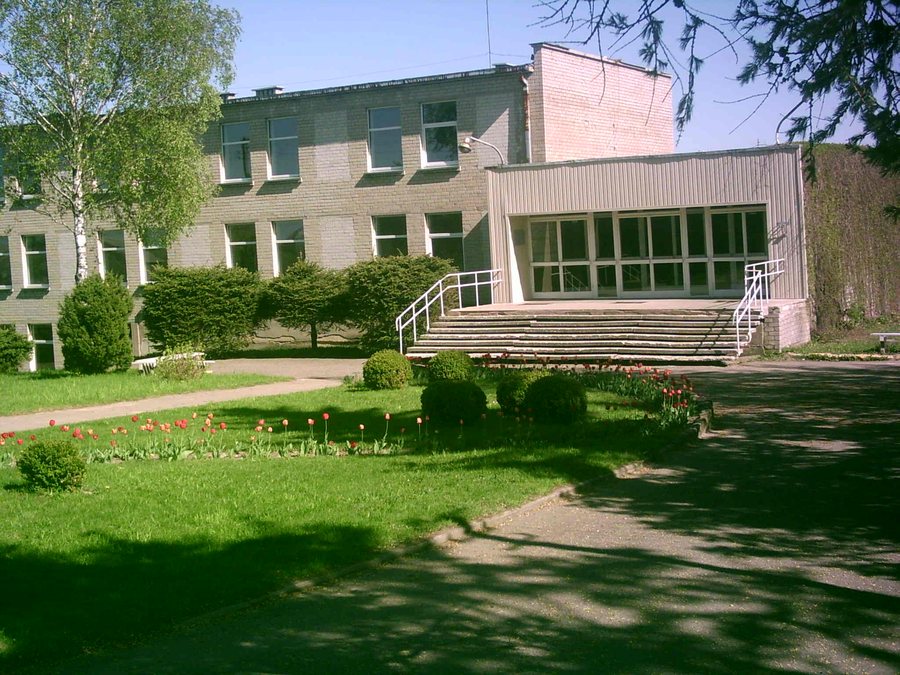
The Church of St. Bishop Stanislovas combines a clearly identifiable architectural style with a group of buildings that reflects several historical connections. It was built in 1900 and is considered an example of neoclassical architecture. The wooden, pentagonal bell tower stands in the churchyard. Together, the church and tower give the church grounds distinct architectural features that are easy to distinguish as you explore.
Kultūros virenė is also part of the building complex. The building was formerly known as the “White House” and the “Unburning House.” Inside, you can see an authentic, preserved feature of a house, one of the largest of its kind in Žemaitija. Sculptural installations in the church park complement the ensemble of buildings: they commemorate historical figures who lived in Kuliai. In this way, architecture, historical names and local memory can be seen as different aspects of one place.
Local history and literary connections
Kuliai began to develop in the late 16th century. The first church was built there in 1644; the neoclassical church building described today was constructed much later, in 1900. The town’s stories are also shaped by its educational and literary history. In the 19th century, the priest and educator Kazimieras Skrodskis carried out extensive educational work in Kuliai. After Juozas Tumas-Vaižgantas arrived in 1898, Kuliai became a centre of the book-smuggling movement.
Another personal connection is Sofija Kymantaitė-Čiurlionienė: she grew up in Kuliai and received her education there. The “Kulių krašto muziejus” exhibition at the Kuliai Cultural Centre has been running intermittently for around six decades. Alongside the church buildings, visitors interested in the town’s history can also explore biographical and museum-related points of interest.
Guided tours and planning your visit
The “Sofijos Kymantaitės-Čiurlionienės Kuliai” tour takes visitors to the room where Sofija lived. Its topics include her childhood and her first Lithuanian teacher, the circumstances of Mikalojus Konstantinas Čiurlionis’ arrival in Kuliai, and the location of Sofija and Konstantas’ “honey meadows.” The tour can be conducted in Samogitian, Lithuanian or English. It must be booked in advance.
“Sofijos kafija su senoviniais pyragėliais” is offered as an optional educational activity alongside this tour. It takes place either at Kultūros virenė or beneath the Vaižgantas oaks and must also be booked in advance. If you would like to include this activity in your plans, be sure to arrange it together with the tour.
“Kuliai – nuo akmens iki rašmens” offers a different perspective. This tour invites visitors to get to know Kuliai at a leisurely pace and hear stories about the authentic buildings that have been preserved and the people who lived here. The two tours have different focuses: one explores specific biographical topics and Sofija’s former room, while the other turns its attention to the town’s buildings and people. You can plan your trip around whichever topics interest you most.
Discover more destinations: Grumbliai
Go to the main travel overview: Plungė District Municipality.

